Premium Pet Supplies Online | Urban Pet Play Ltd

Looking for help with your order or have a question about our products? At Urban Pet Play Ltd, we’re here to make your online pet shopping experience smooth, simple, and stress-free.
Our Store Location
- 66 Paul Street, London, England, EC2A 4NE
- 0330 043 0655
- info@urbanpetplay.co.uk
- Everyday 09:00 AM - 22:00 PM
Follow Our Instagram
@urbanpetplay




The First 30 Days With a Kitten: An Essential Checklist That Turns Chaos Into Confidence
admin
March 2, 2026

The First 30 Days With a Kitten: An Essential Checklist That Turns Chaos Into Confidence
A kitten arrives like a question mark with whiskers. One minute they’re a purring pocket of warmth; the next they’re ricocheting off the sofa, performing interpretive dance inside a paper bag, and staring directly into your soul as they push a small object off a large surface—slowly, deliberately, like an experimental physicist testing gravity.
New kitten ownership is part romance, part logistics. And the logistics matter more than most people think. Because kittens don’t just need “stuff.” They need systems—tiny rituals and smart setups that keep them safe, teach them good habits without force, and make your home feel like a predictable, cozy map instead of an overwhelming maze.
Below is an essential, practical checklist for new kitten owners—organized for real life, not perfection—so you can spend less time worrying and more time bonding.
Home Setup Essentials: Build a “Kitten-Proof” World (Before the Zoomies Begin)
If you take only one idea from this post, make it this: environment is training. A well-prepared space prevents most “behavior problems” before they’re born.
Checklist: kitten-proofing and core supplies
- Safe basecamp room (especially for the first 3–7 days): quiet, warm, easy to clean
- Secure windows and balcony doors; check screens are sturdy
- Hide cords (cable covers), remove toxic plants, block tight gaps behind appliances
- Carrier (hard-sided or sturdy soft carrier) kept out and familiar, not hidden until vet day
- Food + water stations placed away from litter (cats prefer separation)
- Scratchers in multiple materials:
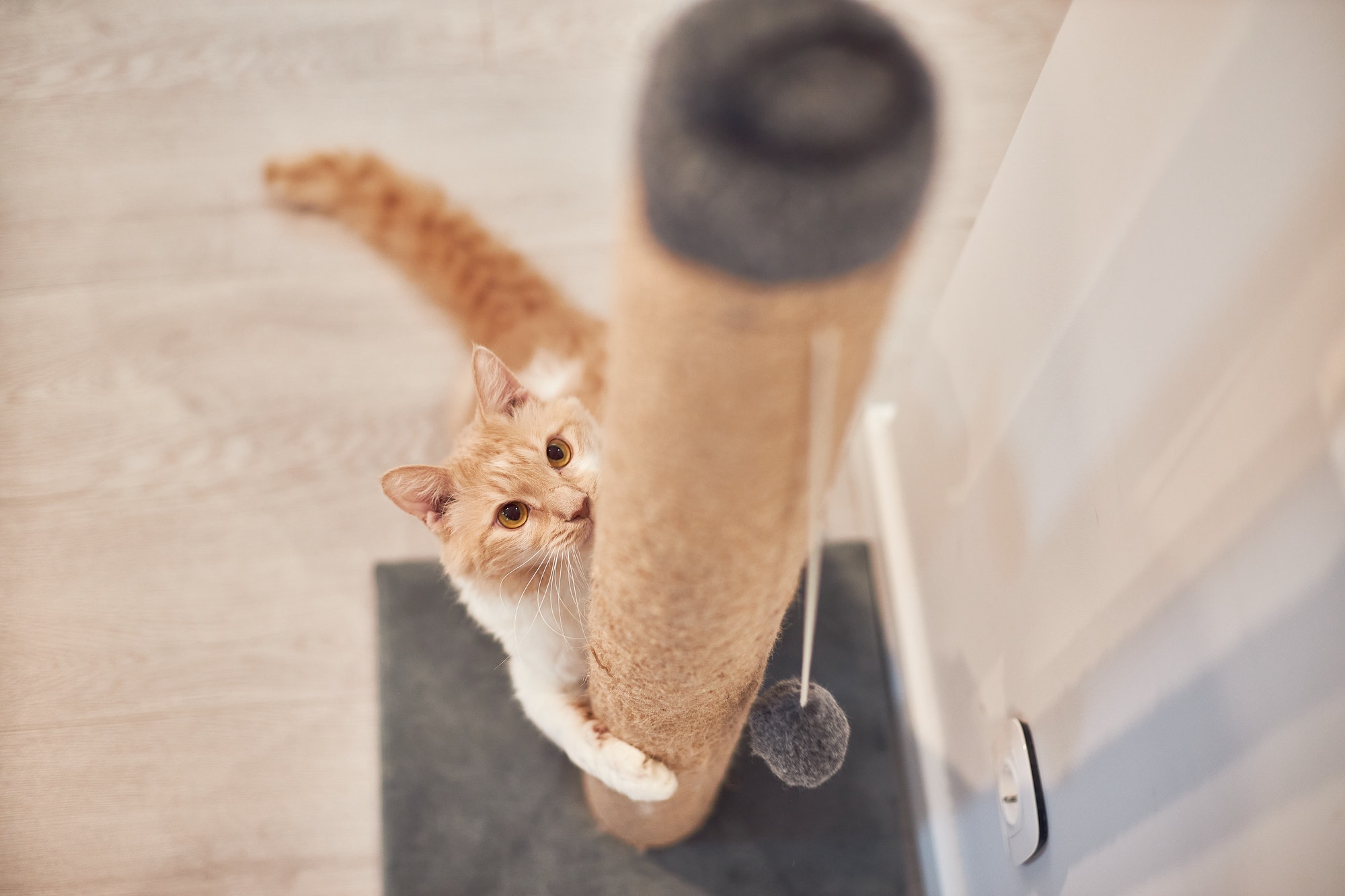
- vertical (tall enough for a full stretch)
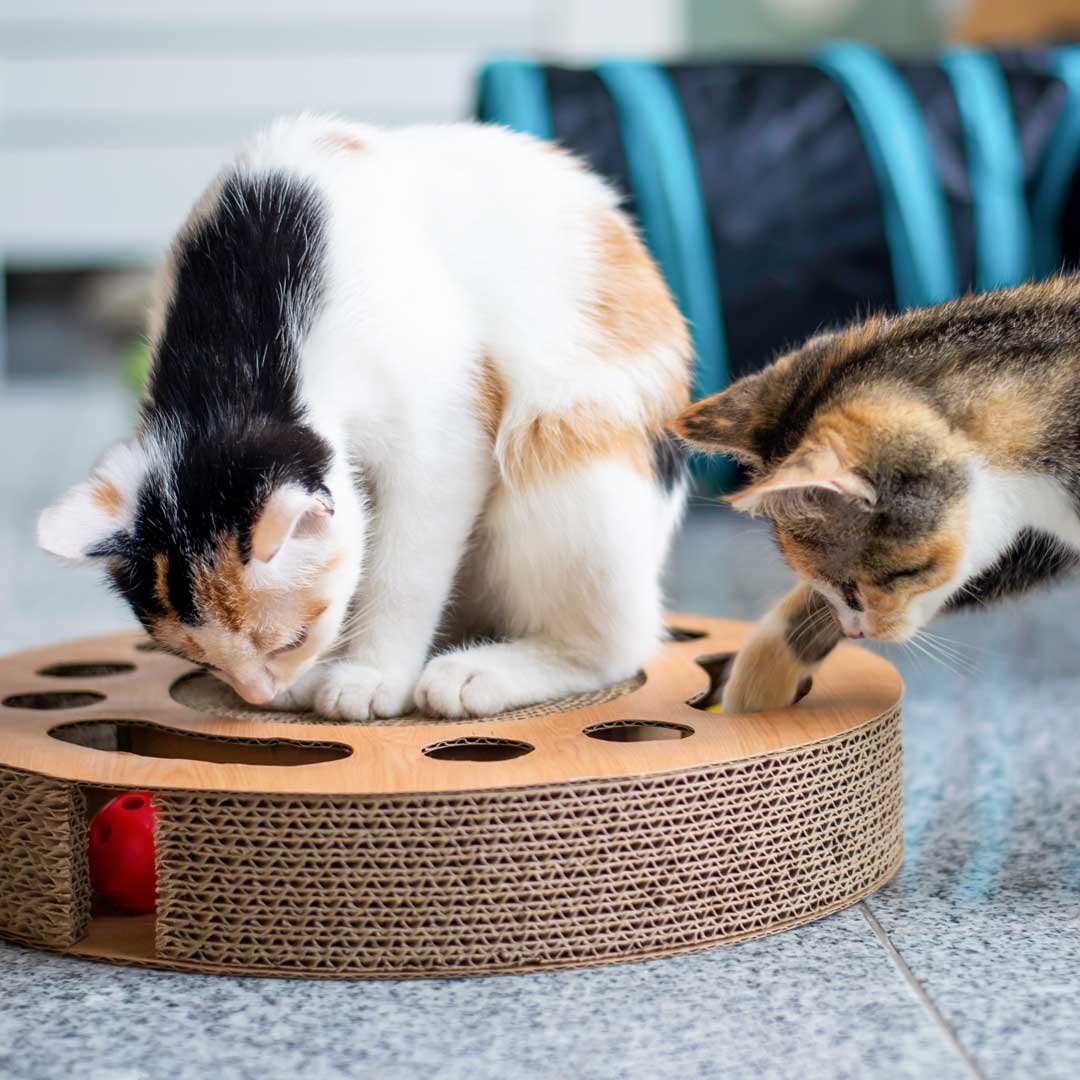
- horizontal (cardboard is a classic win)
- Climbing and perching options: cat tree, window perch, stable shelves
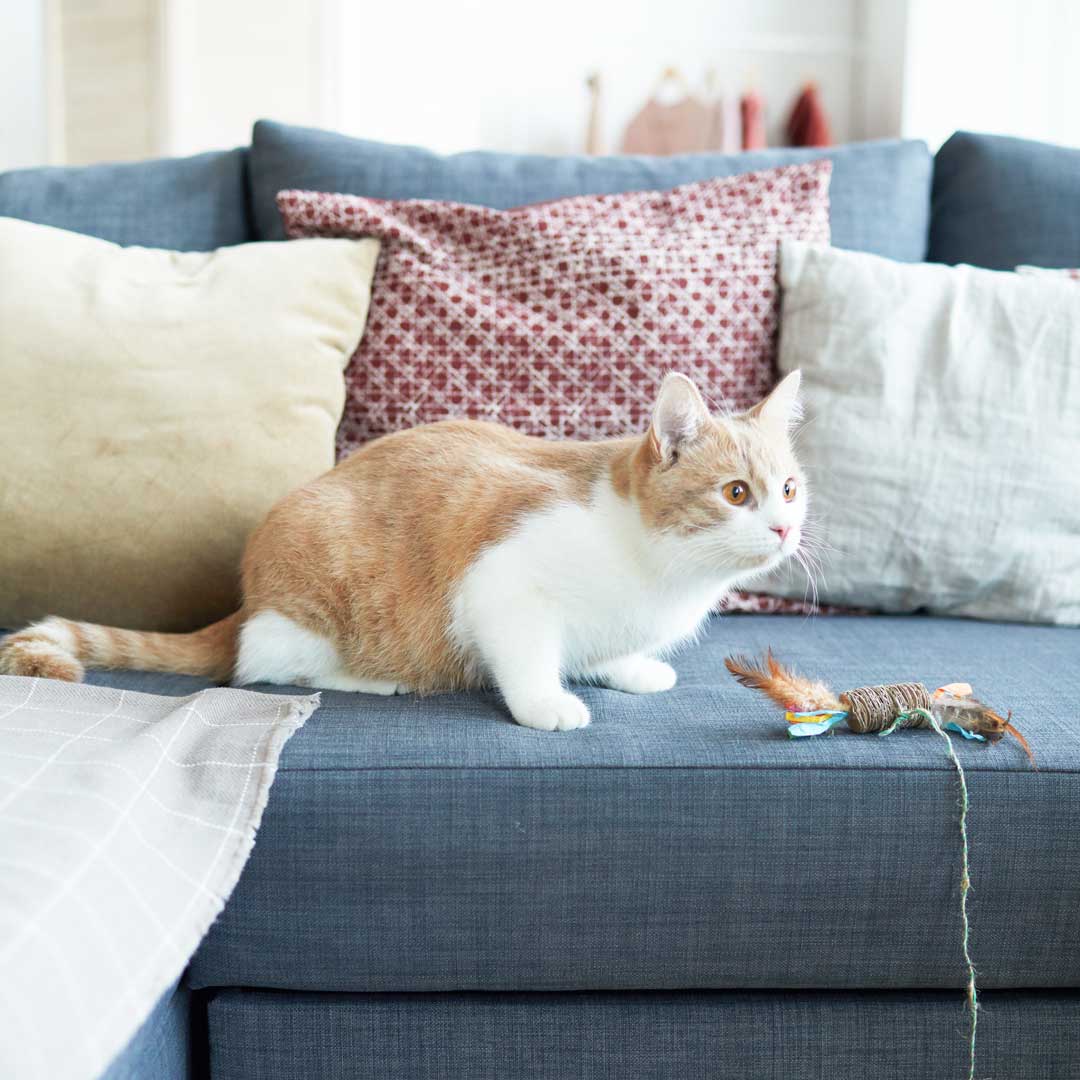
- Toys (variety): wand toy, kicker toy, lightweight balls, puzzle feeder
- Grooming basics: soft brush/comb, nail clippers, pet-safe wipes (optional)
Thought-provoking insight
Kittens don’t “get into trouble” because they’re naughty. They explore because exploration is how they survive. Your goal is to turn your home into a place where curiosity has approved outlets.
Practical advice
Set up “yes zones”:
- a scratching station near where they wake up
- a perch near the window
- a toy basket rotated every few days (novelty without clutter)


Food, Water, and Litter: The Three Daily Systems That Shape Everything
Kittens are small, but their needs are not subtle. Digestion, hydration, and toilet habits form the backbone of health—and they’re deeply influenced by setup.
Checklist: feeding and hydration
- Kitten-formulated food (growth needs are different from adult cats)
- Meal schedule (most kittens do well with multiple small meals)
- Fresh water offered in more than one place
- Consider a water fountain if your kitten prefers moving water (many do)
Checklist: litterbox essentials
- Number of boxes: ideally “cats + 1” (for one kitten, 2 boxes is often excellent)
- Low-entry box at first (tiny legs, quick access)
- Unscented litter (many kittens dislike strong perfumes)
- Litter scoop + waste bin (make scooping easy so you do it daily)
Practical advice that prevents common problems
- Place litter boxes in quiet, accessible areas—not next to loud appliances.
- If accidents happen, don’t punish. Instead ask:
- Is the box too far?
- Is the litter texture disliked?
- Is the box too dirty?
- Is there stress, pain, or a medical issue?
Thought-provoking insight
A “litter problem” is often a communication problem. The kitten is saying: something about this setup doesn’t work for me. Your job is to listen with design, not discipline.
Health & Vet Readiness: Set Up Prevention Like You Mean It
The best time to prepare for health issues is before you’re stressed, sleep-deprived, and googling symptoms at 1 a.m. Build the medical foundation early.
Checklist: first vet steps
- Book a new-kitten exam soon after bringing them home
- Confirm a plan for:
- vaccines
- parasite prevention (fleas/worms)
- microchipping (and registration details)
- neuter/spay timing (vet guidance varies)
- Ask about insurance early—many policies cover more if started before problems arise
At-home health baseline checklist
- Weigh your kitten weekly (kitchen scale works): growth changes are meaningful clues
- Note normal:
- appetite
- energy
- stool consistency
- litter habits
Practical advice
Start “gentle handling” now so future care is easier:
- touch paws briefly → treat
- peek in ears → treat
- short brush strokes → treat
- calm carrier time with snacks and a soft blanket
This isn’t just convenience. It reduces stress for your kitten and for you.
Socialization, Confidence, and Household Harmony: Raise a Cat Who Feels Safe Being a Cat
Socialization isn’t about forcing cuddles or introducing everyone at once. It’s about teaching your kitten that the world is predictable, that humans are safe, and that new experiences come with choice.
Checklist: confidence-building basics
- Quiet decompression time daily (no loud play, just presence)
- Positive exposure to household sounds (low volume, gradual)
- Visitor introductions only when the kitten is ready—let them approach
- If you have other pets:
- scent swapping first (blankets, bedding)
- gradual visual introductions
- supervised time, short and calm
Practical advice
Use “consent cues”:
- If the kitten leans in, purrs, slow blinks, or climbs onto you: continue.
- If they freeze, flatten ears, swish tail sharply, or retreat: stop and give space.
Thought-provoking insight
A confident cat isn’t one who tolerates everything. It’s one who trusts that they can say “no” without consequences. That trust becomes calm.
Behavior Essentials: Scratching, Play, Sleep, and the Art of Not Raising a Tiny Tyrant
Kittens are athletes built out of springs. They need predatory play, they need to scratch, they need to climb—and they need boundaries that are clear, gentle, and consistent.
Checklist: daily rhythm that works
- Two to four play sessions (5–15 minutes each)
- End play with:
- chase
- catch
- “kill” (kicker toy)
- snack/meal
- rest
This mirrors natural hunt-eat-groom-sleep cycles.
Scratching: set it up so they choose it
- Put scratchers near:
- sleeping areas (cats love a wake-up stretch scratch)
- entrances (territory marking)
- Reward scratching posts with praise and treats
- If they scratch furniture:
- move a post right next to the target
- cover the furniture temporarily (double-sided tape or a cover)
- never chase or yell—fear doesn’t teach the right alternative
Practical advice: avoid common play mistakes
- Don’t use hands as toys. It’s adorable now, painful later.
- Use wand toys to keep teeth and claws away from skin.
- Rotate toys weekly—same toys, new order, renewed obsession.
Thought-provoking insight
Your kitten isn’t trying to dominate you. They’re trying to rehearse adulthood. Give them a stage (perches), a script (routine), and props (toys/scratchers), and you’ll prevent the drama.
Conclusion: Your Kitten Doesn’t Need a Perfect Home—They Need a Prepared One
The first month with a kitten is a fast-moving story: bonding, discovery, tiny mishaps, sudden triumphs. But it becomes dramatically easier when you treat kitten care like a set of simple systems:
- Prepare the environment so curiosity is safe and “yes” is everywhere.
- Build reliable routines for food, water, and litter.
- Get vet care and prevention lined up early—and practice gentle handling.
- Socialize for confidence, not compliance.
- Channel natural behaviors with play, scratching options, and a rhythm that makes sense to a kitten’s brain.
Do these things and you won’t just “get through” kittenhood—you’ll shape a relationship. One where your kitten grows into a cat who feels secure, understood, and wonderfully at home with you.