Premium Pet Supplies Online | Urban Pet Play Ltd

Looking for help with your order or have a question about our products? At Urban Pet Play Ltd, we’re here to make your online pet shopping experience smooth, simple, and stress-free.
Our Store Location
- 66 Paul Street, London, England, EC2A 4NE
- 0330 043 0655
- info@urbanpetplay.co.uk
- Everyday 09:00 AM - 22:00 PM
Follow Our Instagram
@urbanpetplay



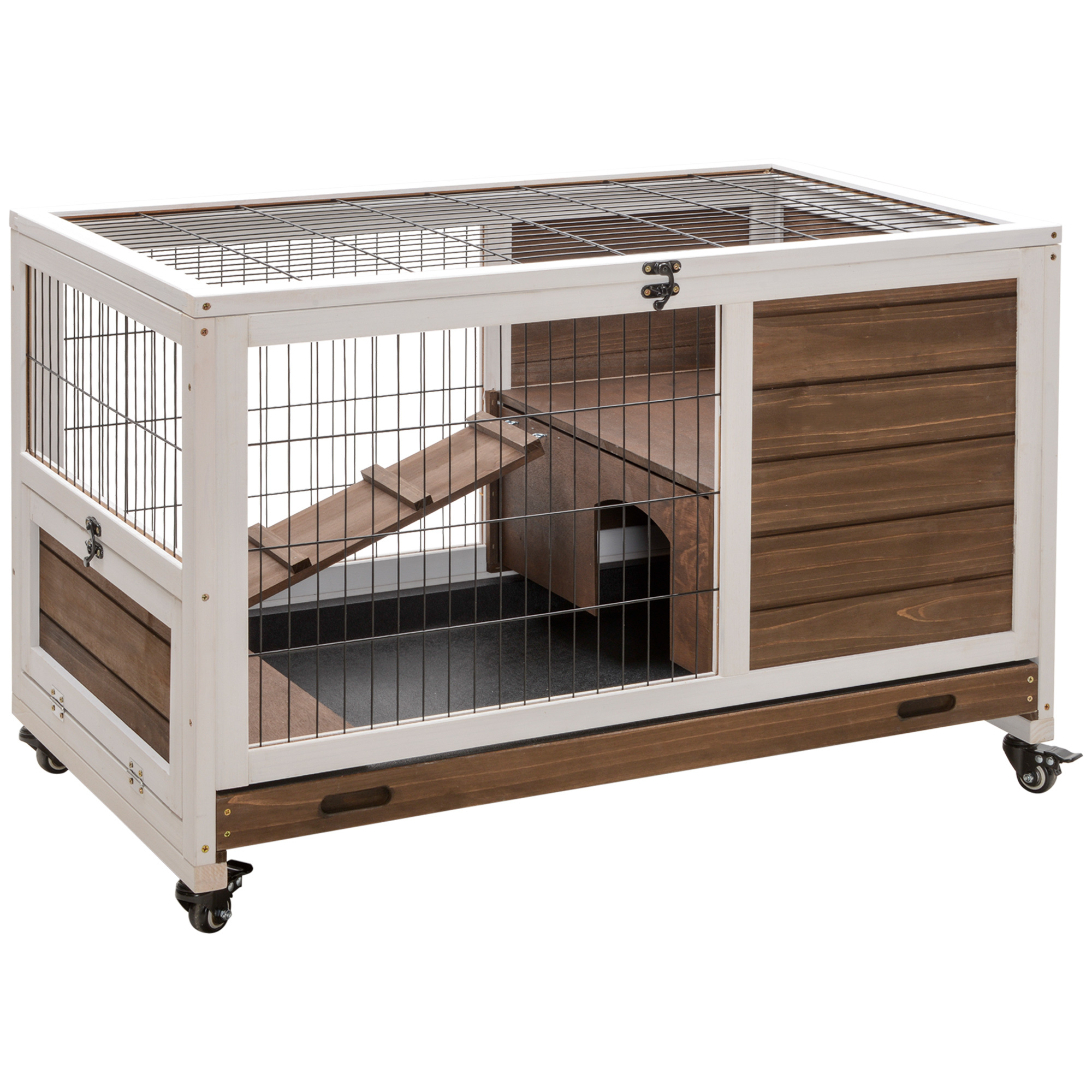
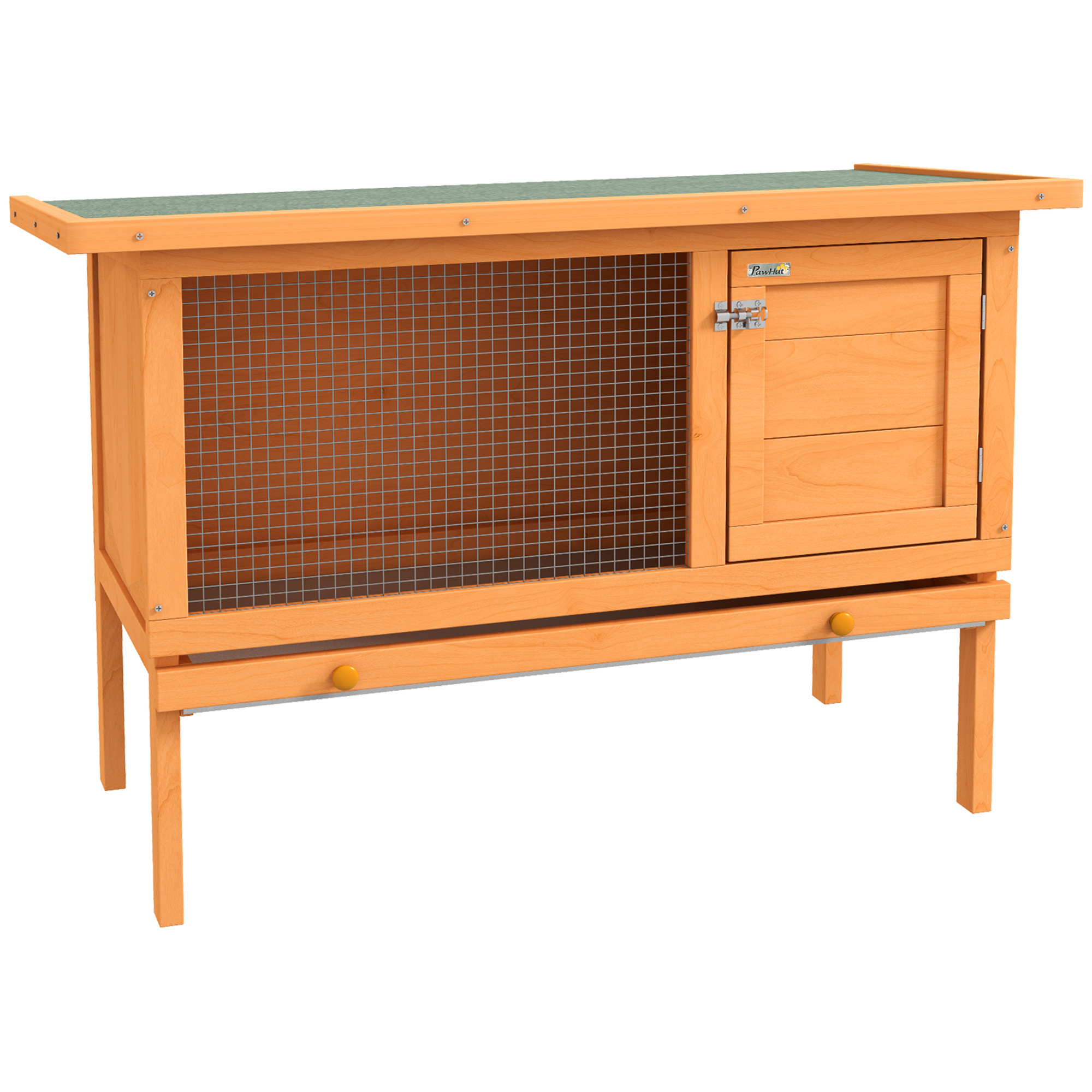
Small Hutch, Big Consequences: A Practical Spotlight on the PawHut Outdoor Rabbit/Guinea Pig Hutch (90 × 45 × 65cm)
admin
March 4, 2026
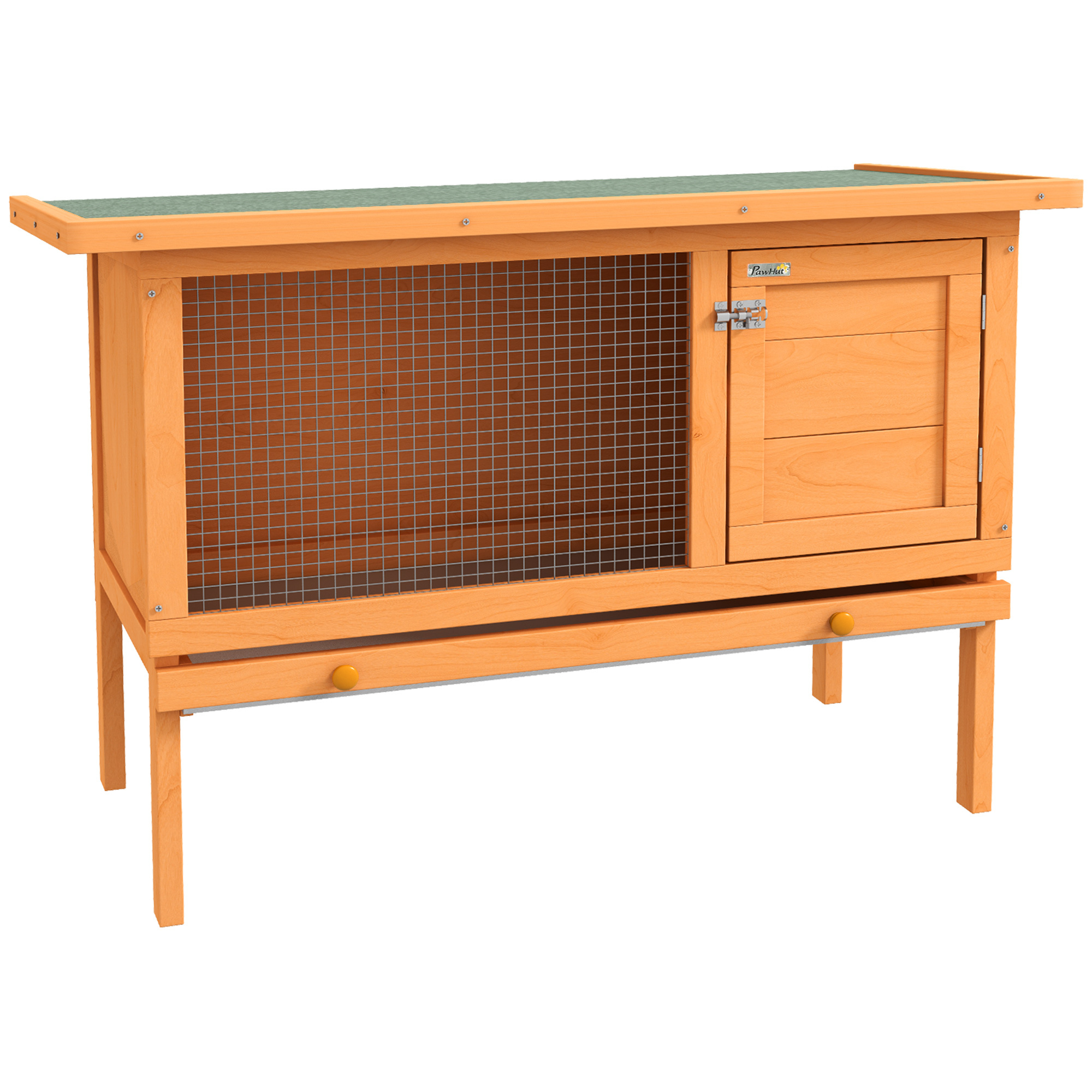
Small Hutch, Big Consequences: A Practical Spotlight on the PawHut Outdoor Rabbit/Guinea Pig Hutch (90 × 45 × 65cm)
Outdoor housing for rabbits and guinea pigs is one of those purchases that looks deceptively simple. A hutch is a box, right? Four walls, a roof, maybe a door latch and a bit of mesh—job done.
Except it’s never just a box. It’s a microclimate. It’s predator management. It’s hygiene design. It’s how your pet experiences morning heat, evening damp, wind direction, boredom, and safety—every single day. And if the setup is wrong, the consequences aren’t aesthetic. They’re welfare.
You asked for a product spotlight on the PawHut Rabbit Hutch Outdoor / Guinea Pig Hutch / Bunny Cage Shelter (90 × 45 × 65cm). The document you provided is about smart pet cameras and automatic feeders, so it doesn’t contain PawHut-specific specs, testing, or husbandry standards for small-animal hutches. I can’t truthfully “review” this exact model’s build quality or suitability beyond what the name and dimensions imply.
What I can do—staying faithful to the document’s core theme of separating helpful tools from hype—is give you a clear, structured way to evaluate whether a small outdoor hutch like this will genuinely improve life for your pets (and you), plus practical tips for routine, placement, and maintenance.
What This Hutch Is (and Isn’t): Start with the Dimensions, Not the Marketing
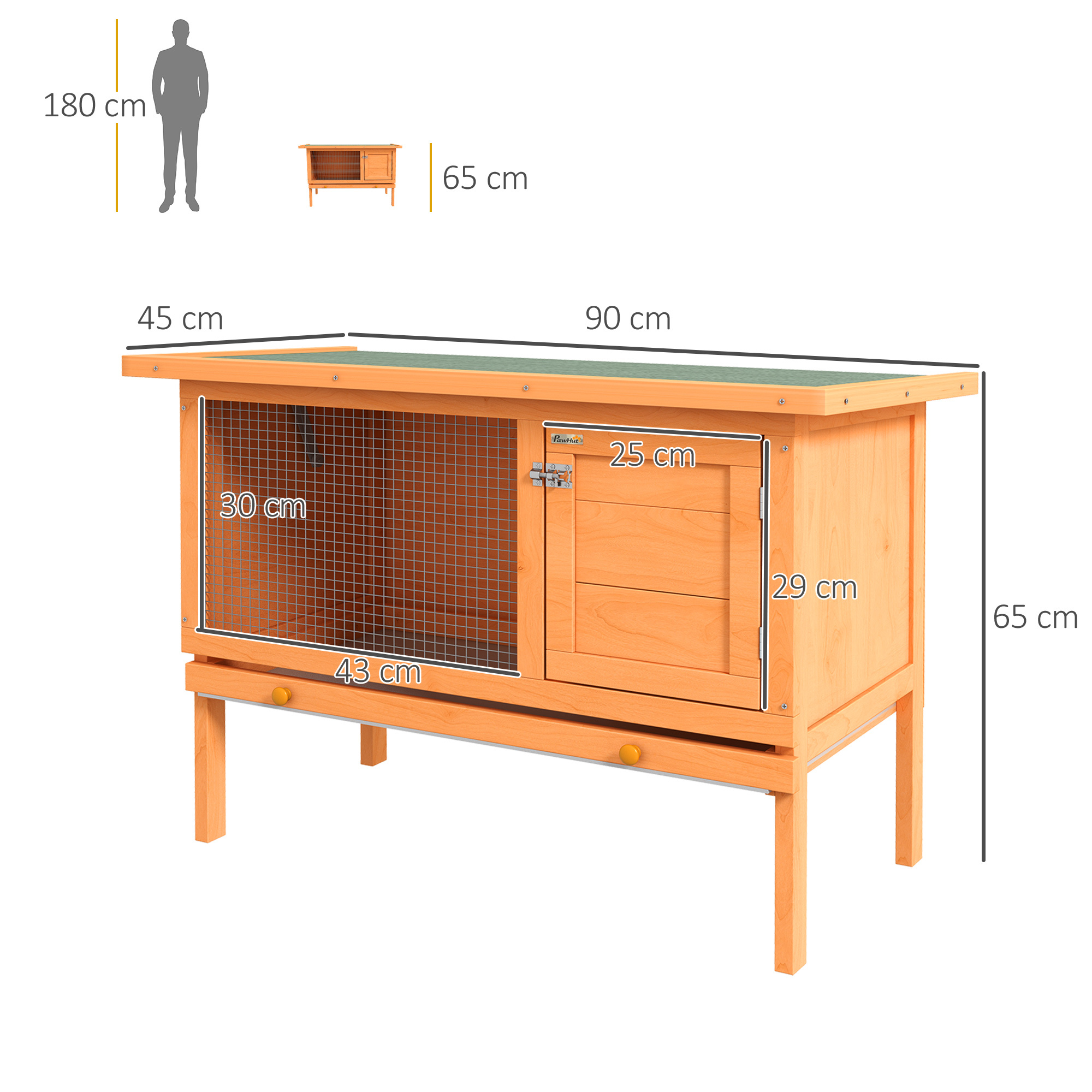
At 90 × 45 × 65cm, this is a compact enclosure. That size can be useful as:
- a temporary shelter within a larger secure run,
- a sleeping box or hide area,
- or a short-term holding space (e.g., while cleaning a main setup).
Thought-provoking insight: “Outdoor hutch” can be a label, not a lifestyle plan
The phrase “outdoor bunny cage” often implies “this is enough.” But for many owners, the real goal isn’t owning a hutch—it’s building a routine and habitat that supports natural behaviour: moving, foraging, hiding, exploring.
Practical advice:
Before buying or using it as the primary home, decide what role this unit will play:
- Main home (higher demands: space, weatherproofing, enrichment)
- Night shelter attached to a run (more plausible for compact sizes)
- Secondary/backup housing (useful, but still must be safe and comfortable)
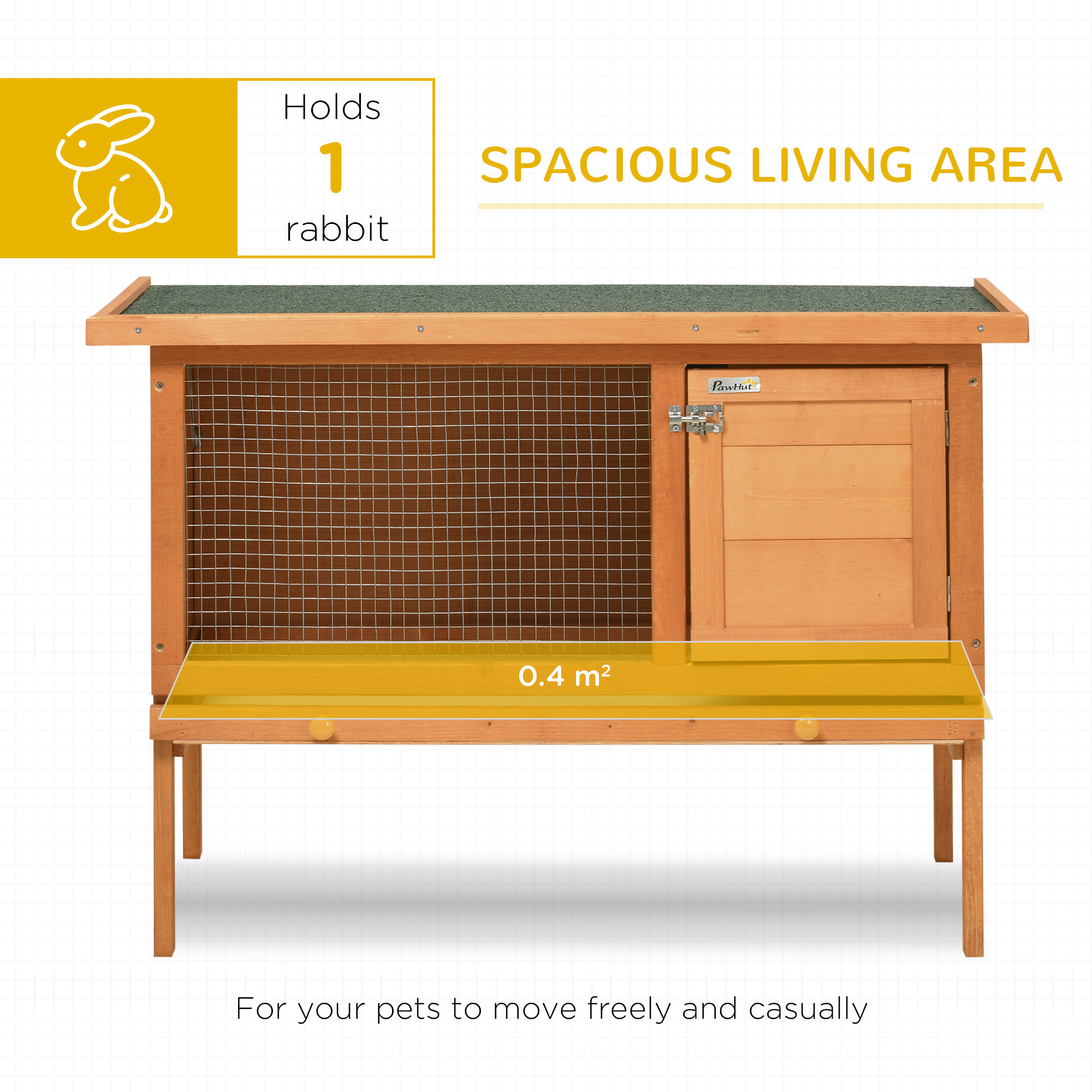
If you’re planning to house rabbits full-time, most welfare-focused guidance emphasises significantly more space than a small hutch footprint—usually via a large run/pen setup. (If you tell me the species, number, and whether you’ll attach a run, I can help you sanity-check the setup.)
Weather, Wind, Damp: Outdoor Housing Is a Microclimate Problem
Outdoors in the UK (and similar climates), your biggest enemies aren’t always dramatic storms—it’s the steady grind of damp, drafts, and temperature swings.
Even a “shelter” can become uncomfortable if:
- wind blows straight through mesh,
- rain rebounds off the ground into the base,
- the hutch sits in morning shade and never fully dries,
- or the roof/felt traps moisture.
Thought-provoking insight: “keeping them outside” means managing the environment you can’t control
This mirrors the document’s theme: tools should reduce uncertainty. With outdoor small animals, uncertainty is weather.
Practical advice (setup checklist):
- Place the hutch off the ground (or on bricks/stands) to reduce damp and improve airflow underneath.
- Face the most enclosed side into prevailing wind; keep mesh sides away from direct draft lines.
- Provide deep bedding and a covered hide inside even if the hutch itself is “covered.”
- Ensure there’s always shade during midday sun (trees, a shade sail, or positioning).
Safety Under Pressure: Predators, Latches, and “False Security”
A key idea from your document is evaluating products as if you’re “hiring a babysitter”: reliability, safety, proof under pressure. That mindset is perfect here.
Outdoor hutches must handle:
- foxes, cats, dogs, rats
- curious neighbourhood hands
- latch-jiggling, pushing, and chewing
What to look for (and improve) on any outdoor hutch
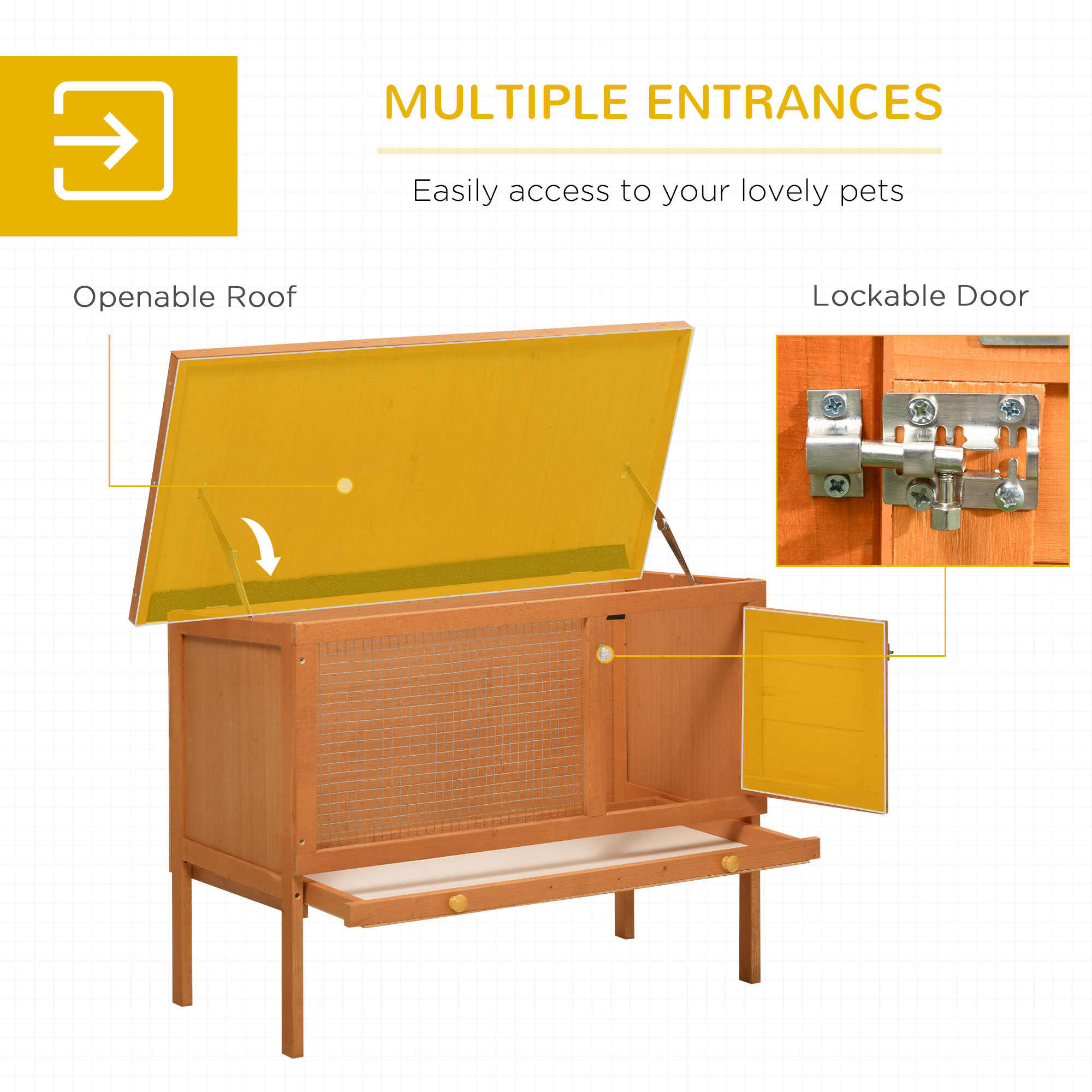
- Secure latches (not just a simple turn tab)
- Strong mesh with tight fixings (no flexing gaps)
- No exposed soft wood edges that invite chewing
- A secure base or attached run so pets aren’t standing on bare ground where predators can dig
Thought-provoking insight: most “hutch failures” happen at night
Predator pressure and pet stress spike after dark. If this unit is used outdoors overnight, security becomes non-negotiable.
Practical advice:
If you use the hutch as a sleep shelter, consider:
- adding secondary carabiners/clips to latches,
- placing it inside a secure run/aviary-style enclosure,
- and doing a “shake test” after assembly: if it rattles easily, reinforce it.
Cleanability Is Health: If It’s Hard to Clean, It Will Be Cleaned Less
The document’s most underrated truth: the best device is the one you’ll maintain. A feeder you don’t wash becomes a health risk; a camera you don’t update becomes a security risk. A hutch you hate cleaning becomes a hygiene risk.
For rabbits and guinea pigs, cleanliness directly affects:
- respiratory health (ammonia build-up),
- flystrike risk (especially for rabbits),
- parasite load,
- and general comfort.
Practical advice (low-drama cleaning routine)
- Daily: remove wet bedding/soiled corners, refresh hay area
- Weekly: full bedding change, wipe surfaces, check for damp or moldy spots
- Monthly: deeper scrub, inspect wood and joints, check mesh fixings and latches
If the unit has a pull-out tray, confirm it slides smoothly and doesn’t leak at corners—those are common “hidden mess” points.
Enrichment and Routine: The Hutch Should Be the Bedroom, Not the Whole World
Even if the PawHut hutch is solid, the real welfare question is: what happens for the other 23 hours of the day?
Small animals need:
- room to move (run, hop, zoom),
- forage opportunities,
- hiding spots (they’re prey animals),
- predictable feeding and handling routines.
Thought-provoking insight: routine is emotional safety
This aligns with the document’s message that predictability makes life more humane. For small animals, a consistent routine can reduce stress behaviours and help them settle.
Practical advice: “Routine engineering”
- Attach (or pair) the hutch with a larger run so pets can choose between shelter and movement.
- Keep a human-led interaction ritual (the document suggests keeping one daily bonding moment even when automating routines). For small animals: calm hand-feeding of veg, gentle handling practice, or “forage scatter” time.
- Use a pet camera (document topic) if you want to understand patterns: Are they hiding all day? Are they active at dusk? Do they use the shelter or avoid it?
Conclusion: A Hutch Is Only “Good” If It Fits the Whole System
The PawHut Outdoor Rabbit/Guinea Pig Hutch (90 × 45 × 65cm) can be a useful component—particularly as a shelter module—but the dimensions strongly suggest it works best as part of a larger setup rather than a complete lifestyle solution.
Use the document’s guiding principle: separate helpful from hype by focusing on reliability, safety, and maintainability. Place it to manage wind and damp. Reinforce security for night-time reality. Build cleaning into your calendar. And most importantly, design the bigger routine—space to move, places to hide, and consistent care—so the hutch becomes a comfort, not a confinement.