Premium Pet Supplies Online | Urban Pet Play Ltd

Looking for help with your order or have a question about our products? At Urban Pet Play Ltd, we’re here to make your online pet shopping experience smooth, simple, and stress-free.
Our Store Location
- 66 Paul Street, London, England, EC2A 4NE
- 0330 043 0655
- info@urbanpetplay.co.uk
- Everyday 09:00 AM - 22:00 PM
Follow Our Instagram
@urbanpetplay






Decoding the Kibble Codex: How to Read Pet Food Labels Without Getting Played
admin
March 2, 2026
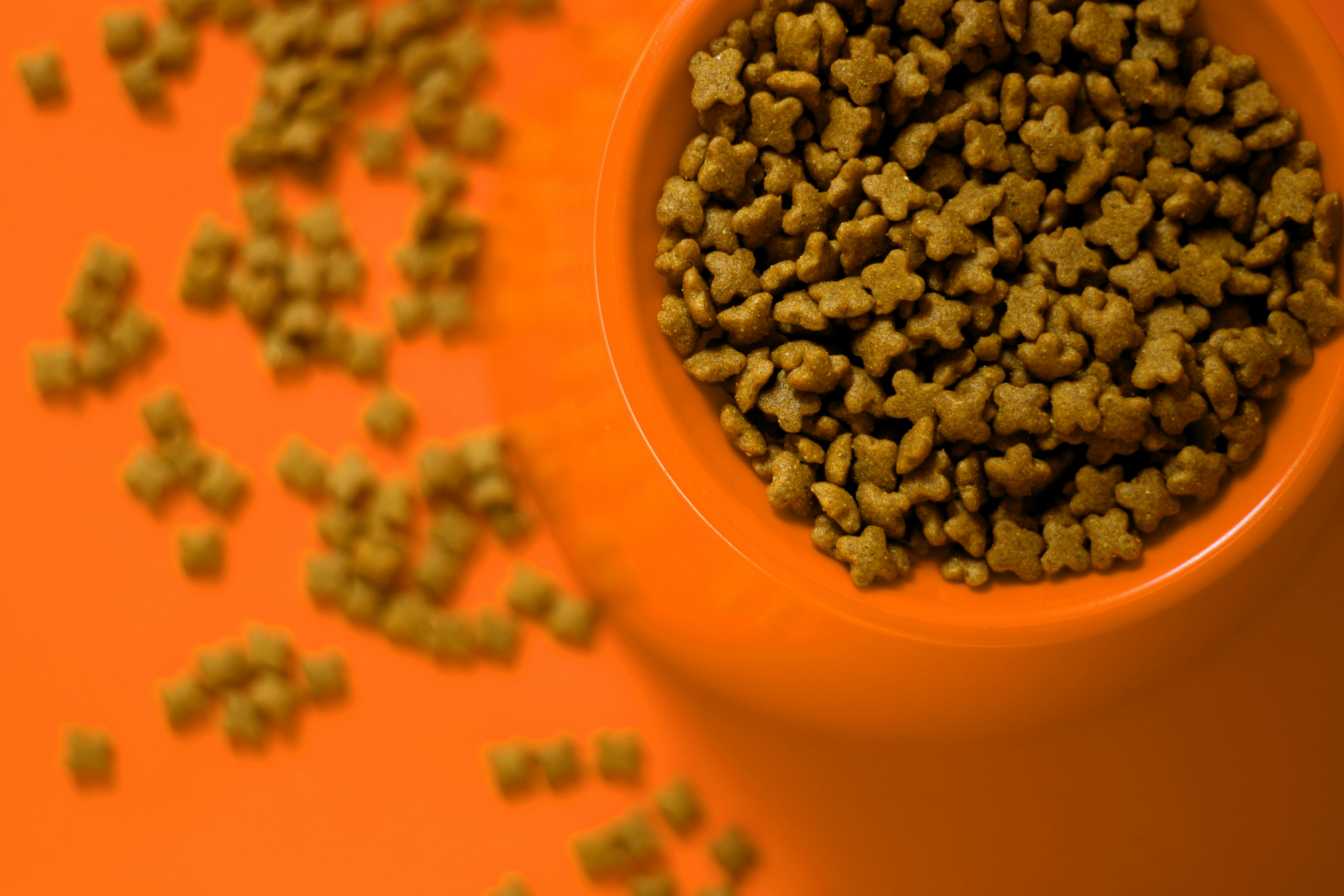
Decoding the Kibble Codex: How to Read Pet Food Labels Without Getting Played
Pet food labels are a strange little universe—part nutrition, part law, part marketing poetry. One bag promises “ancestral,” another whispers “holistic,” a third shouts “premium” in gold foil like it’s selling perfume, not dinner. Meanwhile, you’re standing in an aisle (or scrolling at midnight), trying to answer a deceptively simple question: Is this actually good for my pet—or just good at sounding good?
Here’s the uncomfortable truth: the label is not written for your pet. It’s written to satisfy regulations, attract buyers, and protect the manufacturer. That doesn’t mean it’s useless. It means you need a decoder ring—a way to separate nutritional substance from branding smoke.
This guide will help you read pet food labels with confidence: what matters, what’s misleading, and what to check before you commit to a 10kg bag your pet may—or may not—eat with enthusiasm.
Start With the Only Sentence That Really Matters: “Complete and Balanced” (and for Whom)
Before you fall in love with ingredients like “free-range duck” or “wild-caught salmon,” locate the nutritional adequacy statement. In many regions, labels must indicate whether the food is intended to be complete (meets nutritional requirements) or complementary (needs to be fed alongside other foods).
What to look for
- “Complete and balanced” (or equivalent wording)
- The life stage it’s formulated for:
- growth/puppy/kitten
- adult maintenance
- all life stages
- senior (where applicable)
Why it matters
A food can have gorgeous ingredients and still be incomplete—particularly common in some boutique diets, air-dried treats marketed as meals, and “supplemental” toppers.
Practical advice
- If it says complementary / supplemental: treat it like a topper, not a main diet.
- Be cautious with “All life stages” foods. They can be fine, but they’re often formulated to meet growth needs, which may be richer than many adult pets require.
This is your foundation. If the food isn’t nutritionally complete for your pet’s stage, everything else becomes irrelevant fast.



Ingredient Lists: Useful Clues, Not a Nutritional Report Card
The ingredient list is the most obsessed-over part of the label—and the most commonly misunderstood. Ingredients are typically listed by weight before cooking/processing, which can distort what seems “dominant.”
What to look for (and what to question)
- Named animal proteins (e.g., chicken, turkey, beef) can be a positive sign of specificity.
- “Meal” (e.g., chicken meal) isn’t automatically bad. It’s rendered, concentrated protein—often more protein-dense than fresh meat by weight.
- Vague terms (“meat and animal derivatives,” “animal digest”) offer less transparency.
- Ingredient splitting: When similar ingredients are separated (e.g., peas + pea protein + pea flour), they may appear lower on the list individually while still forming a big chunk together.
Thought-provoking insight
You can’t “ingredient-list” your way into nutritional adequacy. A diet can be:
- beautiful-sounding and poorly balanced, or
- unsexy-sounding and precisely formulated.
Practical advice
Use the ingredient list to evaluate:
- transparency (named vs vague ingredients)
- your pet’s sensitivities (e.g., chicken, grains, specific fats)
- red flags like excessive reliance on one plant protein source if your pet doesn’t tolerate it well
Then move on—because the next parts tell you more about what the food does.
Guaranteed Analysis (GA): The Numbers That Matter—and the Numbers That Don’t
The Guaranteed Analysis provides minimums and maximums for a few key nutrients (often protein, fat, fiber, moisture). It’s helpful, but it’s incomplete—and frequently misunderstood.
How to use GA intelligently
- Protein and fat give you a rough idea of macronutrient density.
- Fiber hints at stool volume and digestion effects (higher fiber can help some pets, upset others).
- Moisture matters hugely when comparing wet vs dry food. Dry foods look “higher in protein” partly because they contain less water.
The key trick: compare on a dry matter basis
If you compare a canned food (75% moisture) to kibble (10% moisture) using label numbers directly, you’re comparing apples to soup.
Practical shortcut
- Ask the brand for dry matter percentages or use an online calculator.
- If your pet has health needs (kidney issues, pancreatitis, weight loss), ask your vet for target ranges—not just “high protein” or “low fat” as vague goals.
Thought-provoking insight
The GA is like a movie trailer. It’s real—but curated. For deeper accuracy, you want the next layer: calories and feeding guidance.
Calories, Feeding Guides, and Portion Reality: Where Many Pets Gain Weight Quietly
Weight gain rarely happens because owners “don’t care.” It happens because labels can be confusing and pets are persuasive.
What to look for
- Calorie content (kcal/kg and ideally kcal/cup or kcal/can)
- Feeding guide tailored by weight and life stage
What to know about feeding guides
Feeding charts are often starting points, not precision tools. Activity level, neuter status, age, breed tendencies, and treats can swing needs dramatically.
Practical advice
- Track treats like they’re part of the diet, not “free joy.” A few training treats can quietly add up.
- Weigh food with a scale for a week—especially kibble. Cups are wildly inconsistent.
- If your pet is gaining weight: reduce total daily calories by 10%, reassess in 2–3 weeks, and adjust gradually.
Bonus insight for multi-pet homes
If one pet is stealing another’s food, the “best label” won’t save you. Consider microchip feeders or separate feeding zones—behavioral logistics matter.
Marketing Claims vs Meaningful Proof: “Natural,” “Grain-Free,” “Human-Grade,” and Friends
Labels are full of claims that sound nutritional but often aren’t.
Common claims—what they usually mean in practice
- “Natural”: typically a regulated definition about ingredient sourcing/processing (varies by region), not a guarantee of superior nutrition.
- “Grain-free”: not inherently healthier; grains are not automatically bad. Grain-free can be useful for specific allergies (less common than people think). It can also mean more legumes/tubers.
- “No fillers”: a marketing phrase more than a scientific one. “Filler” isn’t a strict nutritional category.
- “Premium” / “holistic”: largely marketing language.
- “Human-grade”: can be meaningful if substantiated (made in a human food facility with human-edible ingredients), but verify the standard behind the claim.
What is meaningful?
- Named manufacturer + contact transparency (they answer questions clearly)
- Formulation and testing:
- Is it formulated by a qualified nutritionist?
- Is it tested with feeding trials or only formulated to meet nutrient profiles?
- Batch consistency and quality control information
- Clear disclosure of nutrient levels beyond the GA when relevant (omega-3s, calcium/phosphorus, etc.)
Practical advice: questions worth asking brands
- Who formulates your diets (credentials)?
- What quality control tests do you run (and how often)?
- Can you provide a typical nutrient analysis, not just GA?
- What is the calorie content per serving?
- Where is the food manufactured?
A brand that answers plainly is often a brand that’s built for the long game.
Conclusion: Read Labels Like a Detective, Feed Like a Pragmatist
Understanding pet food labels isn’t about becoming a chemist—it’s about becoming harder to mislead.
If you want the cleanest checklist to remember:
- Confirm it’s complete and balanced for your pet’s life stage.
- Use ingredients for transparency and tolerance, not as a purity contest.
- Interpret the Guaranteed Analysis with moisture in mind (dry matter comparisons help).
- Check calories and treat feeding charts as adjustable starting points.
- Treat marketing claims as hypotheses, not proof—then look for testing, formulation credentials, and quality control.
Your pet doesn’t care about buzzwords. They care about how they feel: energy, digestion, coat, comfort, longevity. Labels can’t promise that—but they can help you choose a food with fewer surprises and more substance.