Premium Pet Supplies Online | Urban Pet Play Ltd

Looking for help with your order or have a question about our products? At Urban Pet Play Ltd, we’re here to make your online pet shopping experience smooth, simple, and stress-free.
Our Store Location
- 66 Paul Street, London, England, EC2A 4NE
- 0330 043 0655
- info@urbanpetplay.co.uk
- Everyday 09:00 AM - 22:00 PM
Follow Our Instagram
@urbanpetplay




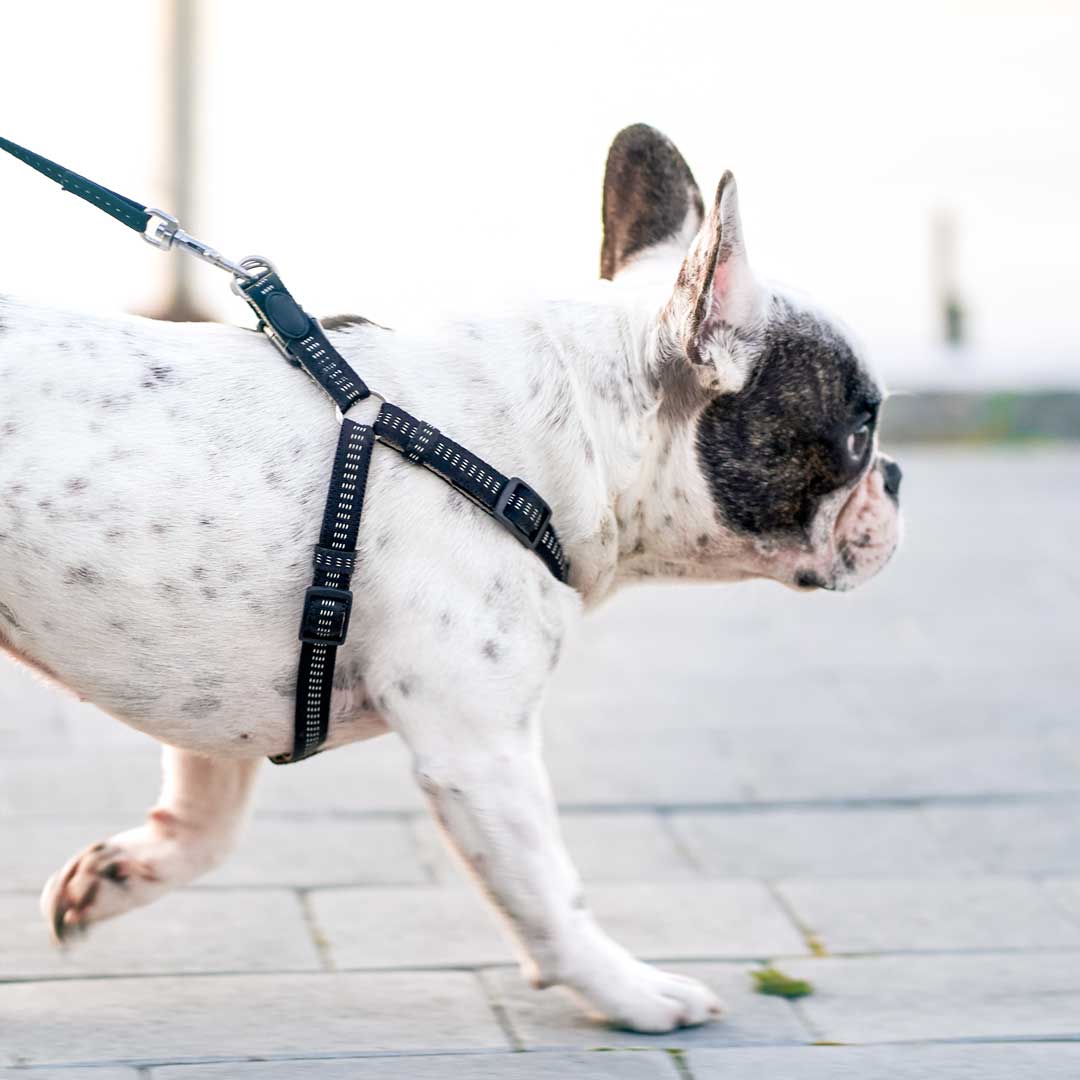

Britain on a Lead: The Best Places for Dog Walks in the United Kingdom (2026 Edition)
admin
March 2, 2026
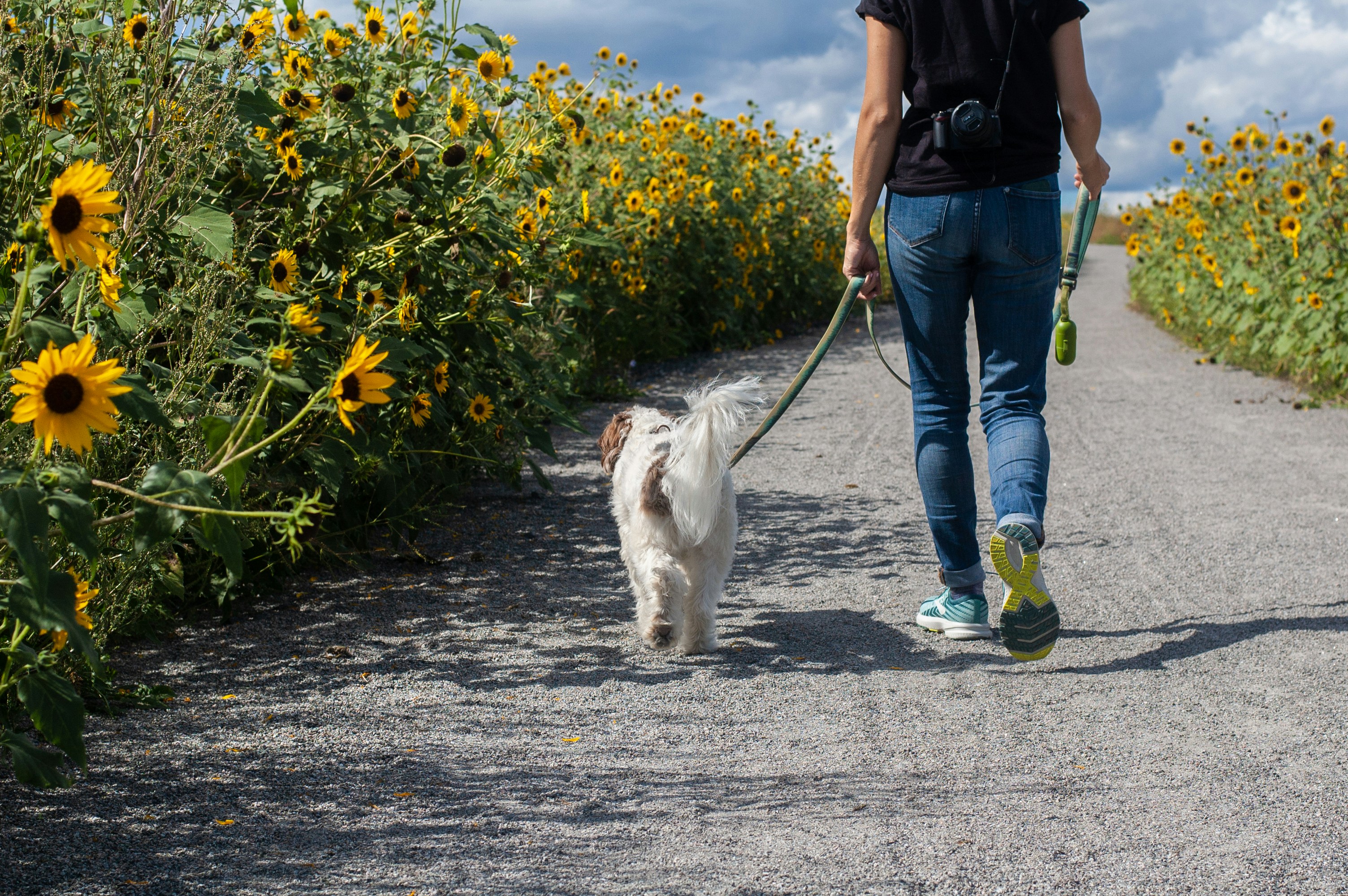
Britain on a Lead: The Best Places for Dog Walks in the United Kingdom (2026 Edition)
There’s a particular kind of magic that only happens on a dog walk in the UK: a sudden break in the clouds, a ribbon of footpath slipping between dry-stone walls, the sound of waves you can’t yet see, your dog moving as if their whole body has become a compass—nose forward, heart open, utterly certain that the next bend contains something worth discovering.
In 2026, dog walking isn’t just “exercise.” It’s decompression. It’s enrichment. It’s the small daily ritual that keeps dogs resilient and people sane. And the UK—dense with public rights of way, storied coastlines, ancient woodland, and city parks with surprising wildness—remains one of the best places on earth to do it.
Below is a curated, practical guide to the best dog-walking destinations across the UK—built around variety (sniffari trails, big horizon hikes, water-friendly routes, and low-stress strolls), with advice you can actually use the moment you lace up your boots.
The 2026 Dog-Walk Upgrade: Choose Places That Give Your Dog a “Job”
The best walk isn’t always the longest. It’s the one that lets your dog be a dog: sniffing in layers, reading messages on the wind, moving their body naturally, making choices safely. In 2026, more owners are swapping relentless “march walks” for decompression walks—long-line friendly routes, quieter paths, and landscapes rich in scent.
What to look for in a great dog-walk spot
- Sniff density: woodland edges, heathland, dunes, riverbanks
- Space to choose distance: wide trails, multiple loops, optional detours
- Low conflict: fewer bikes, fewer choke points, good visibility
- Water access (when safe): streams, beaches with gentle entry
- Clear rules: straightforward signage about livestock, leads, and seasonal restrictions
Practical advice
- Pack for flexibility: a long line (5–10m), a standard lead, high-value treats, and a towel.
- Use a “two-speed” plan: start with 10 minutes of slow sniffing, then build to steadier walking. Many dogs settle faster when they’re allowed to “read the news” first.
With that lens in mind, let’s get specific.


Coastline Walks That Feel Cinematic (and Often Come With a Pub at the End)
If you want maximum payoff per mile—big skies, fresh air, natural stimulation—the coast is a cheat code. The UK’s coastal paths also tend to offer something dogs love: open space + shifting scents + soft sand/pebbles that work the body differently than pavement.
Top coastal dog-walk areas (UK-wide)
- South West Coast Path (Cornwall/Devon/Dorset): Iconic for a reason—clifftops, coves, and endless “choose-your-own-adventure” segments.
- Northumberland Coast (Northumberland): Wide beaches, dune systems, and an expansive, quieter feel compared with southern hotspots.
- Pembrokeshire Coast Path (Wales): Rugged, varied, and full of sensory richness—sea air, wildflower edges, and dramatic headlands.
- Norfolk Coast (Norfolk): Big open beaches and marshland walking—excellent for long-line sniffing where permitted.
- Causeway Coast (Northern Ireland): Striking scenery and bracing coastal trails; choose quieter times to reduce crowd pressure.
Practical advice for coastal walking
- Check seasonal dog restrictions on specific beaches (common in summer). Even in 2026, local rules vary beach-to-beach.
- Watch for cliff edges, loose paths, and strong currents—a long line can be safer than off-lead freedom.
- Bring fresh water. Saltwater plus sand is a stomach and skin irritation combo for many dogs.
Coastal walks are for the days you want your dog to come home sandy, satisfied, and strangely philosophical.
National Parks & Big-View Country: The Walks That Change Your Dog’s Mood
Some places don’t just tire your dog—they reset them. The UK’s national parks and large protected landscapes are perfect for that deep, full-body kind of walking: longer gradients, changing terrain, cooler air, and the mental richness of new environments.
Standout regions for epic dog walks
- Lake District (England): Fells, lakeside loops, and woodland trails. Great for a mix of ambitious hikes and gentler waterside strolls.
- Peak District (England): Accessible, varied, and packed with footpaths—gritstone edges, valleys, and moorland drama.
- Snowdonia / Eryri (Wales): Mountain energy, huge views, and trails ranging from mellow to mighty (choose routes suited to your dog’s fitness).
- The Cairngorms (Scotland): Expansive and wild—amazing for confident walkers who like big quiet spaces.
- Scottish Highlands (Scotland): Lochside routes and glens that feel endless; plan carefully for weather shifts.
Practical advice for national park walking
- Livestock changes everything. In areas with sheep/cattle, keep dogs under close control—often on lead—especially during lambing/calving seasons.
- Build stamina like training, not like punishment: start with shorter elevation, then increase gradually.
- Tick prevention matters more on moorland and woodland edges—check your dog after every hike.
These are the walks where your dog sleeps with their paws twitching—dreaming they’re still climbing.
Forests, Heaths, and “Sniffari” Trails: Where Enrichment Lives
If your goal is calm focus rather than pure cardio, nothing beats woodland and heathland. Smells cling to leaves, soak into bark, and drift along the ground in invisible corridors. A dog can do a full mental workout in a forest without covering huge mileage.
Best woodland/heathland areas to target
- The New Forest (England): A classic for a reason—woodland, heath, and open areas with a strong “ramble” vibe.
- Sherwood Forest (England): Big trees, wide tracks, and history threaded through the walk.
- Forest of Dean (England): Deep woodland walking with tons of route options.
- Ashdown Forest (England): Heathland, open views, and excellent sniffing terrain.
- Scottish Forestry & Woodland estates (Scotland): Often have well-maintained paths and varied loops.
- Coed y Brenin (Wales): Known for trails; choose quieter paths if your dog finds bikes stressful.
Practical advice for scent-heavy walks
- Try a “permission-based” walk: alternate 2–3 minutes of structured walking with 2–3 minutes of “go sniff.” Many dogs become less pull-y when sniffing is guaranteed.
- Bring a small bag of treats and play “find it” in safe areas to turn the environment into enrichment.
If coastal walks are cinema, woodland walks are novels—layered, slow-burning, and deeply satisfying.
City Escapes That Don’t Feel Like Cities (Plus 2026-Friendly Walk Planning)
Not every great dog walk requires a long drive. In 2026, more dog owners are intentionally building a “local walking portfolio”: two quick green spaces, one longer weekend route, and one backup for bad weather. The best cities and regions often have surprisingly wild pockets—parks, commons, riverside trails, and connected paths.
Excellent urban and near-urban dog walking spots
- London: Richmond Park (lead rules vary; deer present), Hampstead Heath, Wimbledon Common—big green options with real variety.
- Edinburgh: Holyrood Park and surrounding hills offer skyline views with a wilder feel.
- Glasgow: Pollok Country Park and green corridors are great for accessible nature.
- Birmingham: Sutton Park is enormous and varied—woodland, heath, and lakes.
- Manchester: Heaton Park and nearby countryside access points make longer walks easy.
- Bristol: Ashton Court Estate offers broad paths and open space.
Practical advice for 2026 walking (crowds, etiquette, and safety)
- Time is a tool: early mornings and weekdays can turn a chaotic spot into a calm one.
- Use the “threshold check”: if your dog is scanning, stiff, or vocal, create distance—choose wider paths, step off-trail (where permitted), and reward calm.
- Keep a lead handy even in off-lead areas; surprises happen—runners, bikes, wildlife, off-lead dogs, livestock transitions.
Cities can be overstimulating. The goal isn’t to “toughen your dog up.” It’s to give them manageable experiences that build confidence, not chaos.
Summary: Your 2026 UK Dog-Walk Bucket List Starts with One Brilliant Loop
The best places for dog walks in the United Kingdom in 2026 aren’t just the famous postcard locations—though those are incredible. The real win is choosing places that deliver what dogs crave: space to sniff, safe movement, choice, and novelty without overwhelm.
Remember the core themes:
- Coasts for big sensory payoff and joy-per-mile.
- National parks and big country for mood-reset hikes and deep fatigue.
- Forests and heaths for enrichment-rich “sniffari” walks that calm the nervous system.
- Urban green escapes for consistency, convenience, and confidence-building routines.
- Planning and etiquette (rules, livestock awareness, timing) to keep walks safe and genuinely relaxing.
Pick one destination from each category. Build your rotation. Let your dog’s body language be your guide. And watch what happens when walking stops being a chore and becomes a shared, living map of joy.