Premium Pet Supplies Online | Urban Pet Play Ltd

Looking for help with your order or have a question about our products? At Urban Pet Play Ltd, we’re here to make your online pet shopping experience smooth, simple, and stress-free.
Our Store Location
- 66 Paul Street, London, England, EC2A 4NE
- 0330 043 0655
- info@urbanpetplay.co.uk
- Everyday 09:00 AM - 22:00 PM
Follow Our Instagram
@urbanpetplay



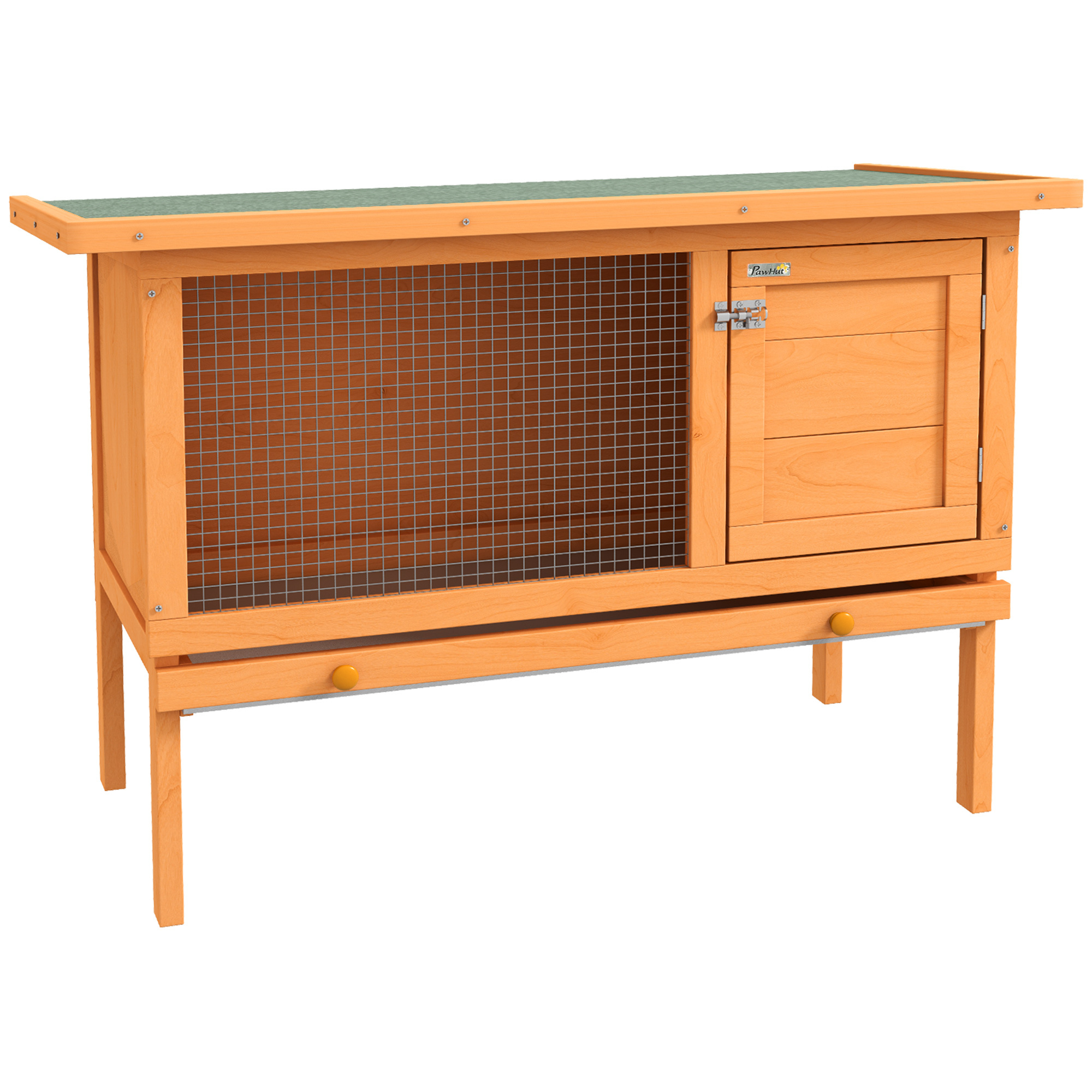
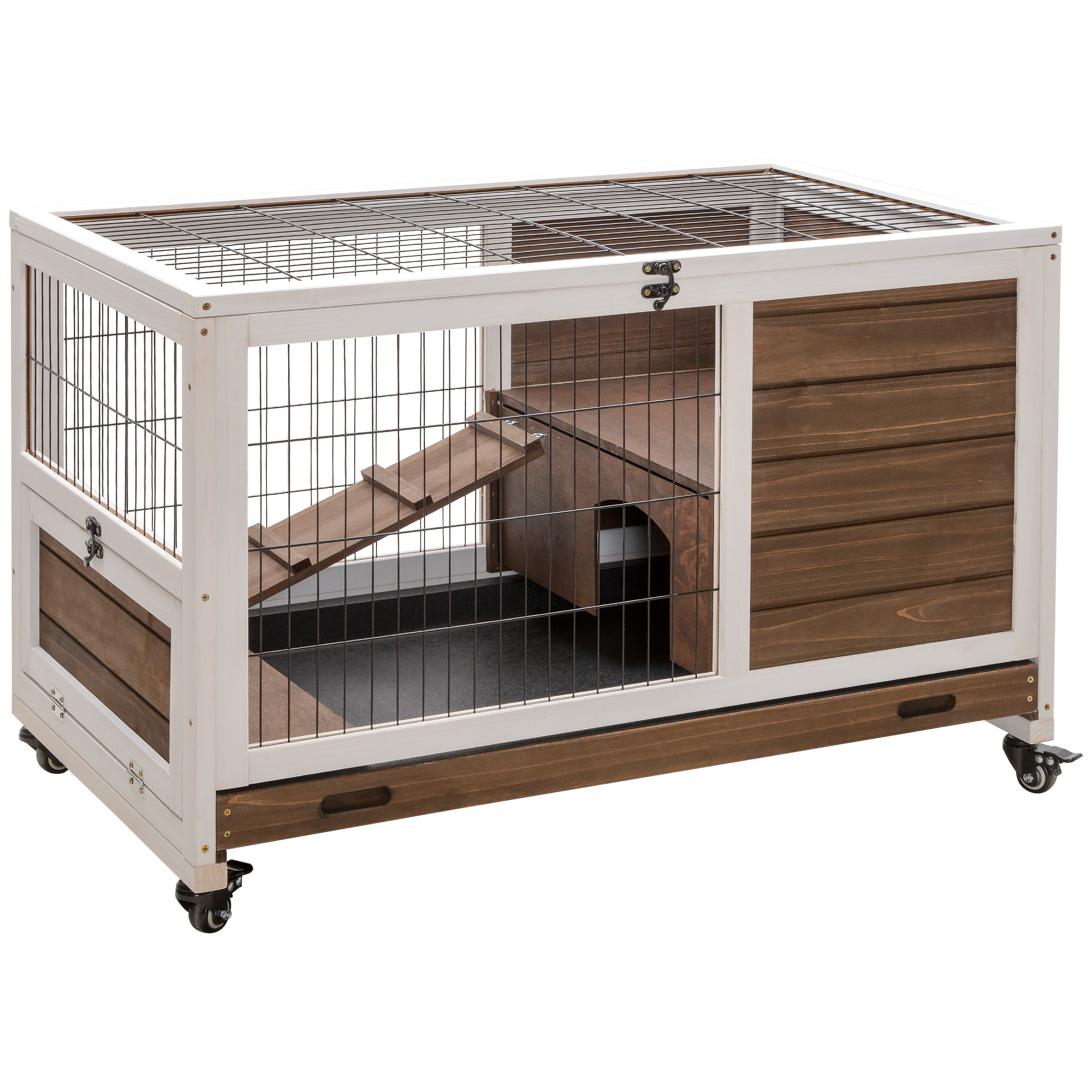
Two Floors, One Decision: A Clear-Eyed Spotlight on the PawHut Wooden Guinea Pig Hutch (2‑Floor Bunny Cage with Enclosed Run, Brown)
admin
March 4, 2026
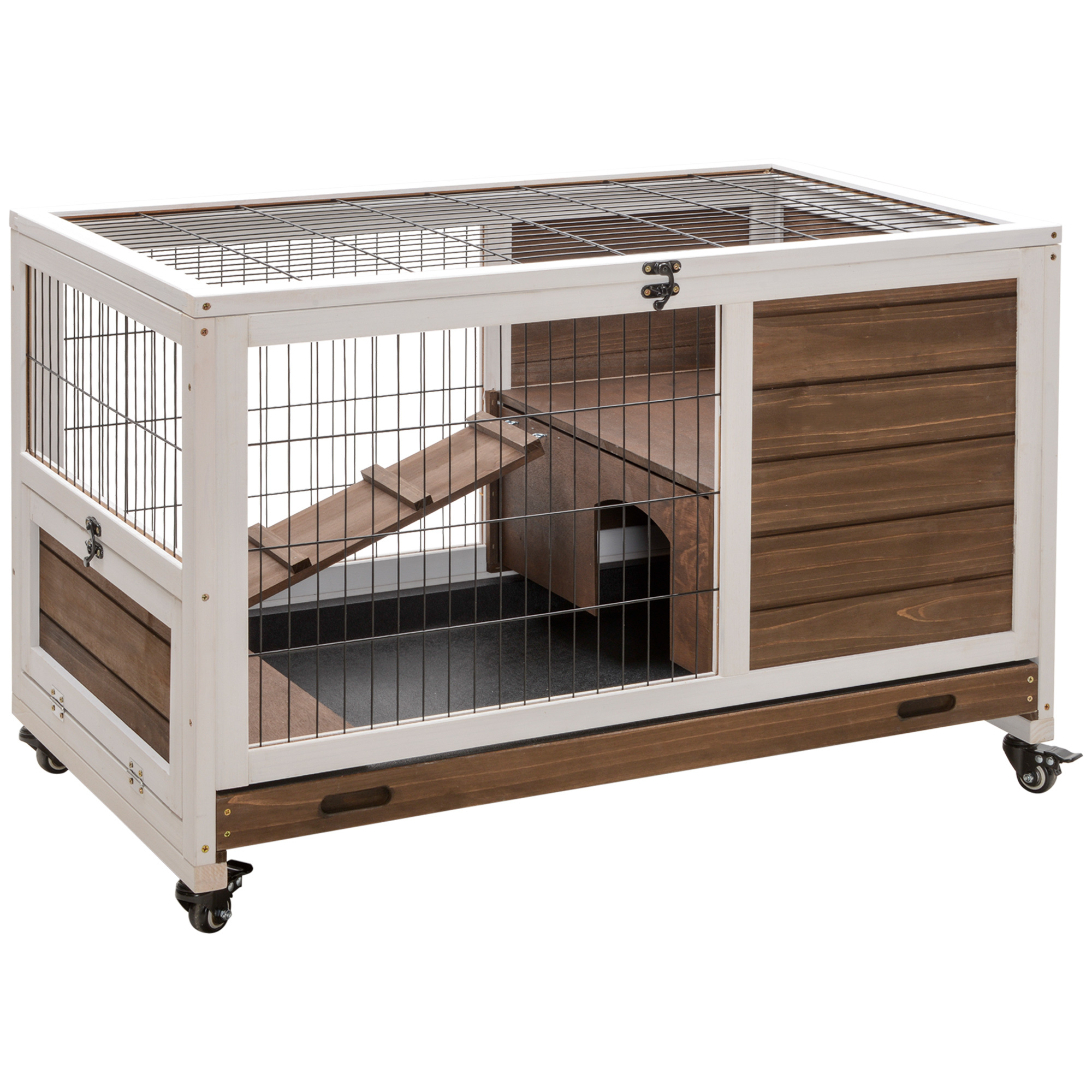
Two Floors, One Decision: A Clear-Eyed Spotlight on the PawHut Wooden Guinea Pig Hutch (2‑Floor Bunny Cage with Enclosed Run, Brown)
There’s a certain kind of optimism that arrives with flat-pack pet housing. You see the photos: tidy wood panels, a neat little ramp, a run section that looks like a mini-cottage garden. You imagine your guinea pigs (or rabbit) happily pottering about, you imagine your garden staying civilised, you imagine yourself cleaning it with one graceful wipe like a person in an advert.
Then reality turns up with bedding in the corners, damp creeping into seams, a latch that needs a firmer hand than you expected, and a pet who has opinions about ramps, hide placement, and where the toilet corner should be.
You asked for a product spotlight on the PawHut Wooden Guinea Pig Hutch, 2‑Floor Bunny Cage with Enclosed Run Area (Brown). The document you provided focuses on smart pet cameras and automatic feeders, not the engineering details of PawHut hutches—so I can’t claim exact measurements, timber thickness, mesh gauge, or how this particular model performs in weather.
What I can do—faithful to the document’s central mission of sorting “helpful from hype”—is give you a comprehensive, practical guide to assessing a two-floor wooden hutch-with-run design: what it’s good for, what can quietly go wrong, and how to set it up so it supports real animal welfare rather than just looking nice in a listing.
What a 2‑Floor Hutch-with-Run Really Offers (and What It Can’t)
A two-level hutch with an enclosed run area is trying to do three things at once:
- Shelter: a protected sleeping/resting space
- Movement: a designated “activity zone”
- Containment: keeping pets safe and your garden intact
Thought-provoking insight: extra floors don’t automatically equal extra usable space
For many small animals—especially guinea pigs—“space” is mostly about continuous floor area and safe, confident movement. A second level can be valuable, but only if:
- the ramp is gentle and grippy,
- the landing is spacious,
- and the animal actually uses it without stress.
Practical advice:
Treat the second floor as a bonus, not the core. Your main question should be: Is the ground-level area large enough and secure enough for daily living? If not, the second level won’t fix that—it’ll just make the box taller.
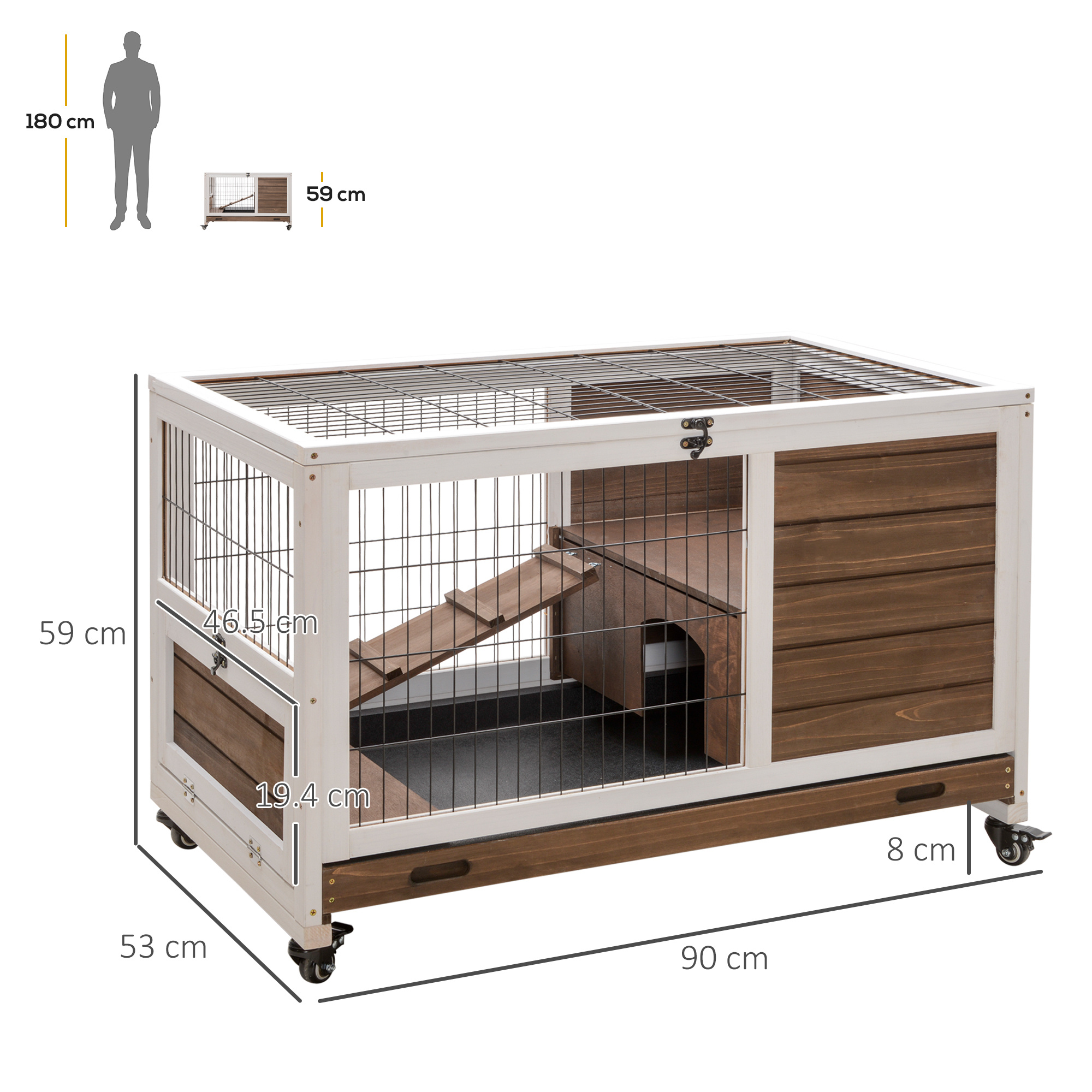
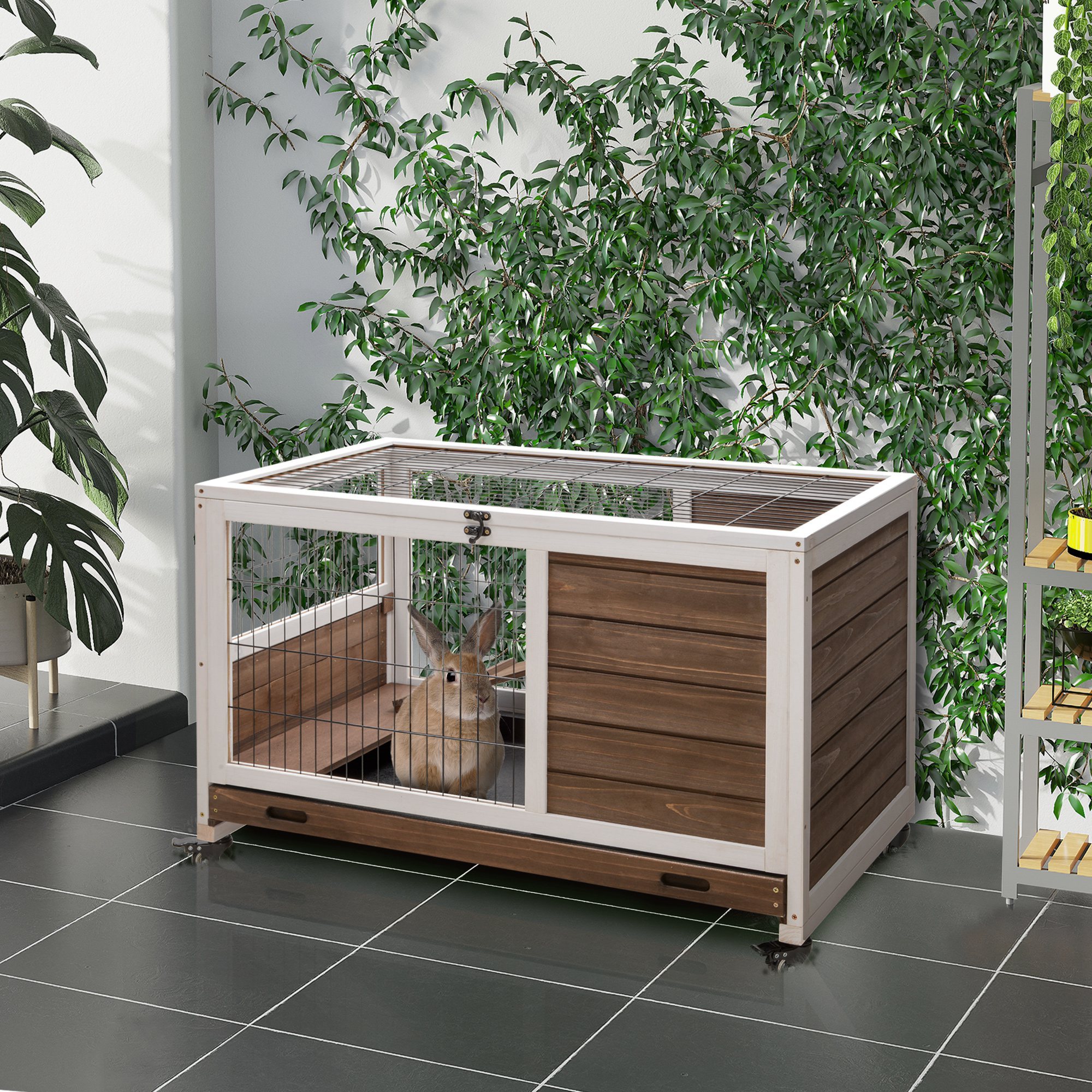
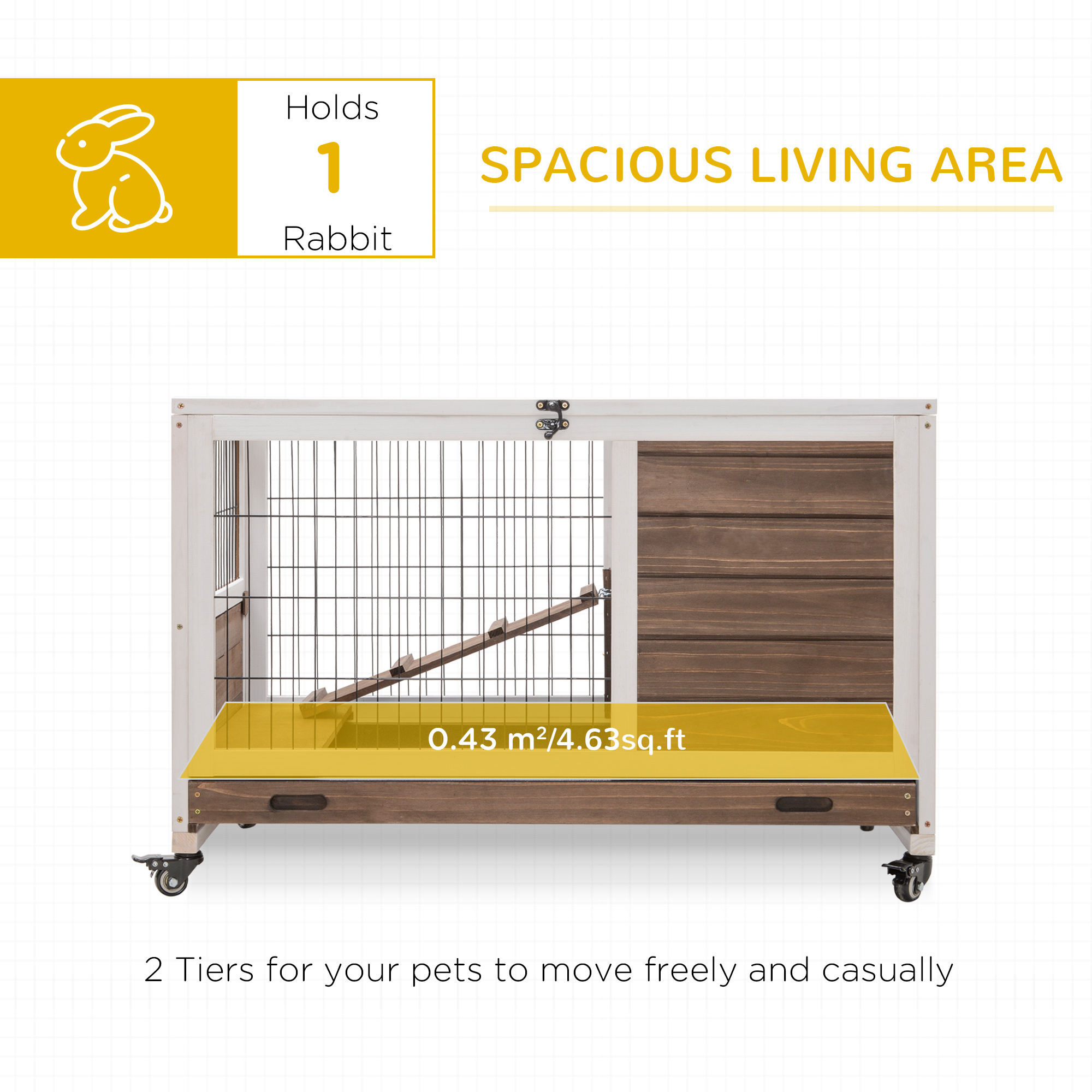
Species Fit: Guinea Pigs vs Rabbits (Same Product Category, Different Reality)
Listings often blur “guinea pig hutch” and “bunny cage,” but their needs diverge in important ways.
Guinea pigs
- Prefer low, stable layouts with lots of hides and tunnels
- Can struggle with steep ramps or slippery surfaces
- Need good airflow but hate drafts
Rabbits
- Need significantly more room to hop and stretch
- Can be powerful chewers and testers of latches
- Often benefit from larger, more robust run systems
Thought-provoking insight: “marketed for” isn’t the same as “ideal for”
This is the same skepticism your document encourages for pet tech: marketing can be loud; suitability is quiet.
Practical advice:
Before committing, ask:
- Who is this truly for—one guinea pig, a pair, or a rabbit?
- Will it be a primary home, or a sleeping shelter attached to a bigger run/pen?
If this is meant to be the full-time home for rabbits (or multiple guinea pigs), many owners end up expanding with an attached run/secure enclosure to provide enough continuous space.
Outdoor Logic: Wood, Weather, and the Slow Creep of Damp
Wooden hutches can be charming and insulating—but outdoors, wood is also a sponge with ambitions.
The enemies are rarely dramatic. They’re the slow ones:
- water sitting on edges,
- damp rising from the ground,
- condensation inside enclosed sleeping areas,
- tiny gaps that become drafts in winter.
Practical advice: placement is a performance upgrade
- Raise the hutch on bricks/feet/stands to reduce ground damp.
- Position it so the most enclosed side faces the prevailing wind.
- Keep it out of constant direct sun to avoid overheating, but ensure it can dry out after rain.
- Add extra weather shielding (cover panels, tarp with airflow gaps) during heavy weather.
Thought-provoking insight: “enclosed run” can become “enclosed wet box”
If the run area doesn’t drain well or sits on wet ground, it becomes a misery zone. Consider a sheltered base, a paving slab area, or rotating placement to protect both pets and lawn.
Security Under Pressure: Evaluate It Like You’d Evaluate a Babysitter
Your document offers a powerful idea: ignore flash, focus on reliability and proof it works under pressure. Outdoor housing is pressure.
Threats include:
- foxes, cats, dogs
- rats (attracted by food and bedding)
- human error (a latch not fully closed)
What to check (and reinforce)
- Latches: Are they simple turns, or do they lock positively? Add secondary clips/carabiners if needed.
- Mesh: Is it firmly fixed with no flexing gaps?
- Access points: Any door is only as safe as its hinges and frame alignment.
- Chew points: Rabbits can demolish soft edges; protect vulnerable corners.
Practical advice: do a “night test” mindset
At dusk, stand where the hutch will sit and ask:
- Can a fox push against this and find give?
- Is the run area protected from digging?
- Can you easily secure everything every time, even when tired?
If you can’t secure it consistently, it isn’t secure.
Maintenance & Routine: The Best Hutch Is the One You’ll Actually Steward
The document’s truth—smart tools aren’t “set and forget,” they’re “set and steward”—applies perfectly here.
A two-floor setup adds:
- more corners,
- more joints and seams,
- more places for wet bedding to hide,
- more surfaces that need inspection.
Practical advice: put it on a calendar
- Daily: remove wet bedding, refresh hay, quick visual health check
- Weekly: full bedding change, wipe surfaces, inspect ramp traction, check for drafts
- Monthly: deeper scrub, retighten fixings, inspect wood swelling/warping, check mesh staples and latch alignment
Thought-provoking insight: hygiene is behaviour management
If the toilet corner is never fully clean, pets may start toileting elsewhere. If the sleeping area smells damp, they may refuse it. Many “behaviour issues” are actually maintenance issues in disguise.
Bonus routine tip (aligned with the document’s focus on patterns):
A pet camera can help you see whether they’re:
- avoiding the upper level,
- hiding excessively,
- showing restless pacing (stress),
- or only using one area (layout mismatch).
Use observation to refine the setup—add hides, adjust bedding depth, improve ramp grip—rather than assuming the animal will “get used to it.”
Conclusion: A Two-Floor Hutch Can Be a Great Base—If You Build the System Around It
The PawHut Wooden Guinea Pig Hutch with a second floor and enclosed run is, in concept, a structured “home base”: shelter + movement + boundaries. But its success depends less on the product category and more on your system: placement, weather management, predator-proofing, cleaning routine, and whether the usable floor space matches the species and number of pets.
Use the document’s guiding philosophy: buy tools that solve your real problems, then maintain them like you care about the outcome—because you do. When you get that right, the hutch stops being a garden ornament and becomes what it should be: a safe, predictable, calm home.