Premium Pet Supplies Online | Urban Pet Play Ltd
Looking for help with your order or have a question about our products? At Urban Pet Play Ltd, we’re here to make your online pet shopping experience smooth, simple, and stress-free.
Our Store Location
- 66 Paul Street, London, England, EC2A 4NE
- 0330 043 0655
- info@urbanpetplay.co.uk
- Everyday 09:00 AM - 22:00 PM
Follow Our Instagram
@urbanpetplay

The Puppy Paradox: Tiny Paws, Big Feelings—A 2026 Survival Guide for New Puppy Parents
admin
March 2, 2026
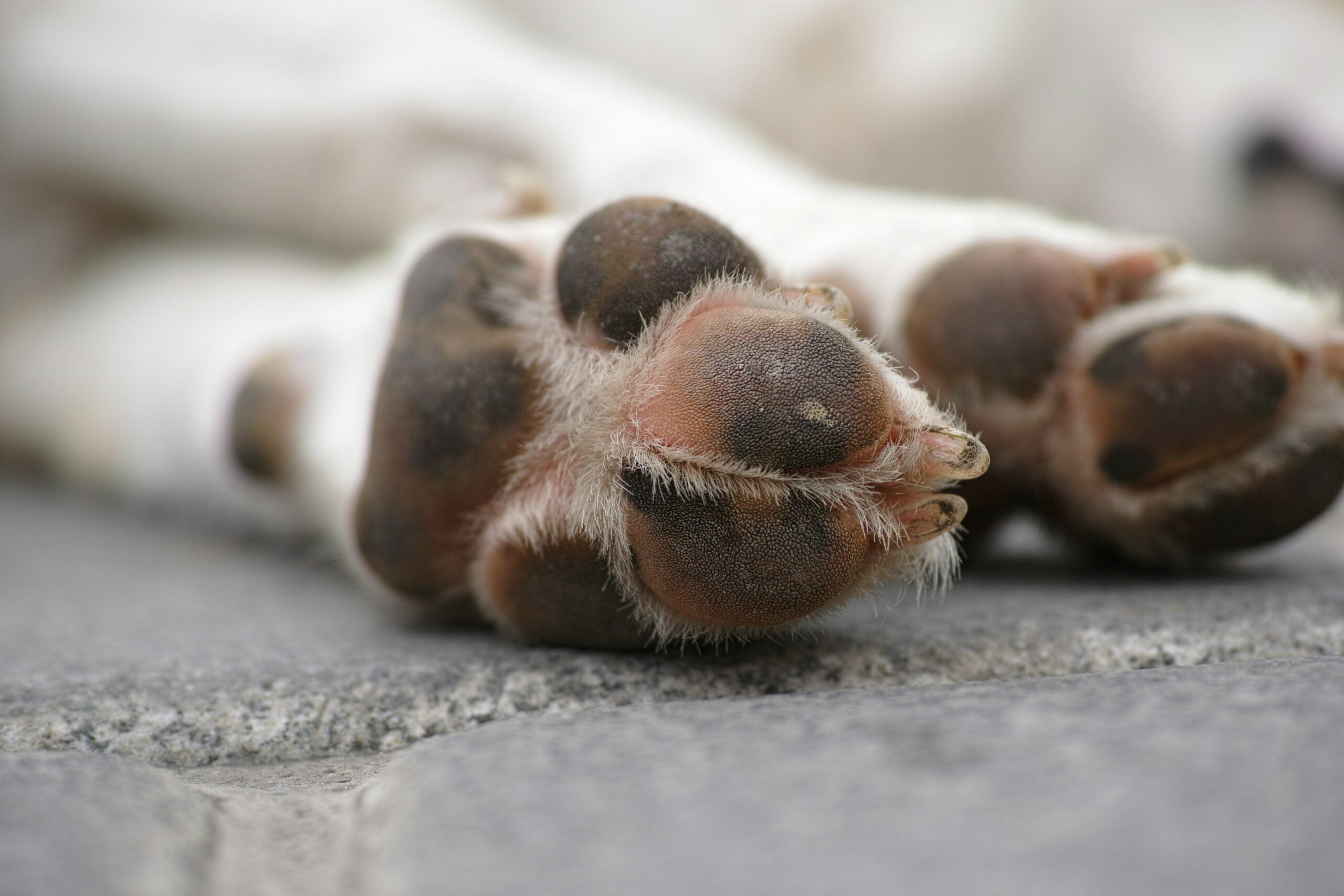
The Puppy Paradox: Tiny Paws, Big Feelings—A 2026 Survival Guide for New Puppy Parents
A puppy can look like pure happiness in fur form—until it’s 2:17 a.m., your sock has been abducted for the fourth time, the “perfect” bed is being eaten, and you’re googling is it normal for puppies to bite like piranhas. Welcome. This is the paradox: puppies are adorable, and puppies are chaos. They are also learning machines, absorbing patterns with the intensity of a sponge in a thunderstorm.
Here’s the secret new puppy parents rarely hear clearly enough: you’re not raising a puppy—you’re building a future dog. Every day is a vote. Not for perfection, but for direction. Small choices, repeated, become personality. Routine becomes security. Your calm becomes contagious.
This guide is built to help you stop firefighting and start shaping—without losing your mind or your furniture.
The First Two Weeks: Reduce the World (So Your Puppy Can Understand It)
New puppy parents often think they need to “show the puppy everything.” But the first phase is less tour guide, more architect. Your job is to design an environment where good choices are easy and bad choices are hard.
What to do immediately
- Set up a puppy zone: a pen, baby gates, or a small safe room. Think: safe floor, minimal cords, no shoes, no temptations.
- Choose your toilet plan (and commit): frequent trips outside, or a hybrid with pads only if necessary. Inconsistency is where house training goes to die.
- Establish 3 anchor routines:
- Wake → toilet → calm reward
- Play/training → toilet → downshift
- Food → toilet → nap
Thought-provoking insight
A puppy’s misbehavior is often just freedom they didn’t earn yet. Structure isn’t strict—it’s kind. Your puppy doesn’t need to “learn the whole house.” They need to learn how to live with you.
Practical advice
- Aim for more naps than adventures. An overtired puppy is a bitey, frantic puppy.
- Keep greetings low-key. Excitement spikes lead to zoomies, nipping, and accidents.
Sleep, Crates, and Calm: The Hidden Engine of a Well-Behaved Dog
You can’t train a puppy who’s running on fumes. Sleep is the invisible ingredient behind attention, impulse control, and emotional stability.
What “enough sleep” tends to look like
Most puppies need a lot—often 16–20 hours a day (varies by age and individual). If your puppy is melting down, sleep is your first suspect.
Crate training—without making it weird
A crate isn’t a prison; it’s a sleep cue and a safety tool. Done right, it becomes a portable calm zone.
How to make the crate work in real life
- Feed meals near or inside the crate (door open at first).
- Use high-value “crate-only” chews.
- Close the door for short periods while you’re nearby, then slowly add distance and time.
Practical advice
- If the puppy is biting harder, listening less, and acting possessed: nap first, train later.
- Nighttime: last toilet break should be boring—no play, no party, no negotiation.
Biting, Chewing, and “Why Is My Puppy Like This?”: Build a Mouth Plan
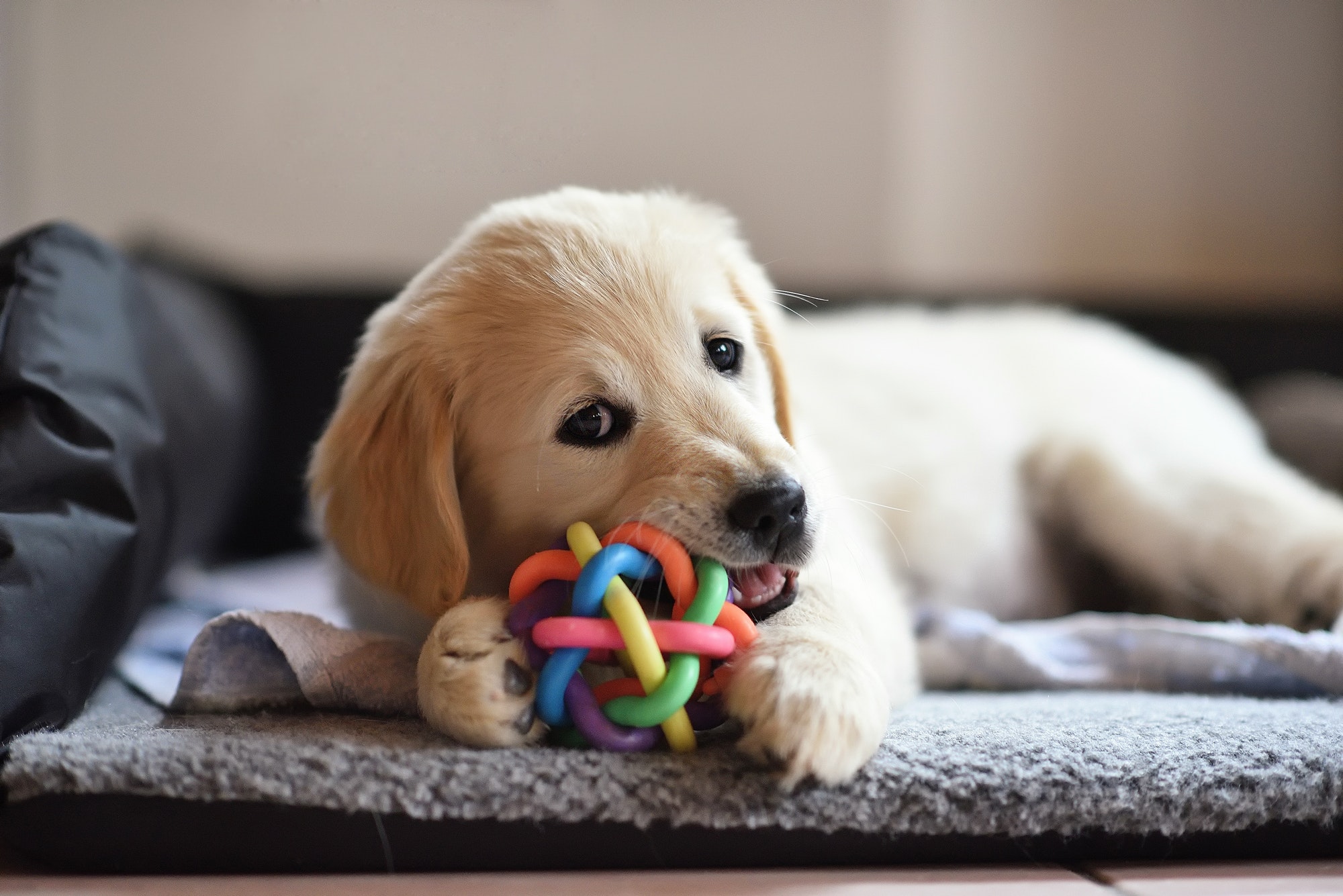
Puppy biting isn’t moral failure. It’s developmental reality: exploration, teething, excitement, and poor impulse control all funnel through the mouth.
Your 3-part “mouth plan”
- Prevent: manage the environment
- Keep tempting items out of reach.
- Use gates/pen to reduce roaming and sock crime.
- Redirect: give legal outlets
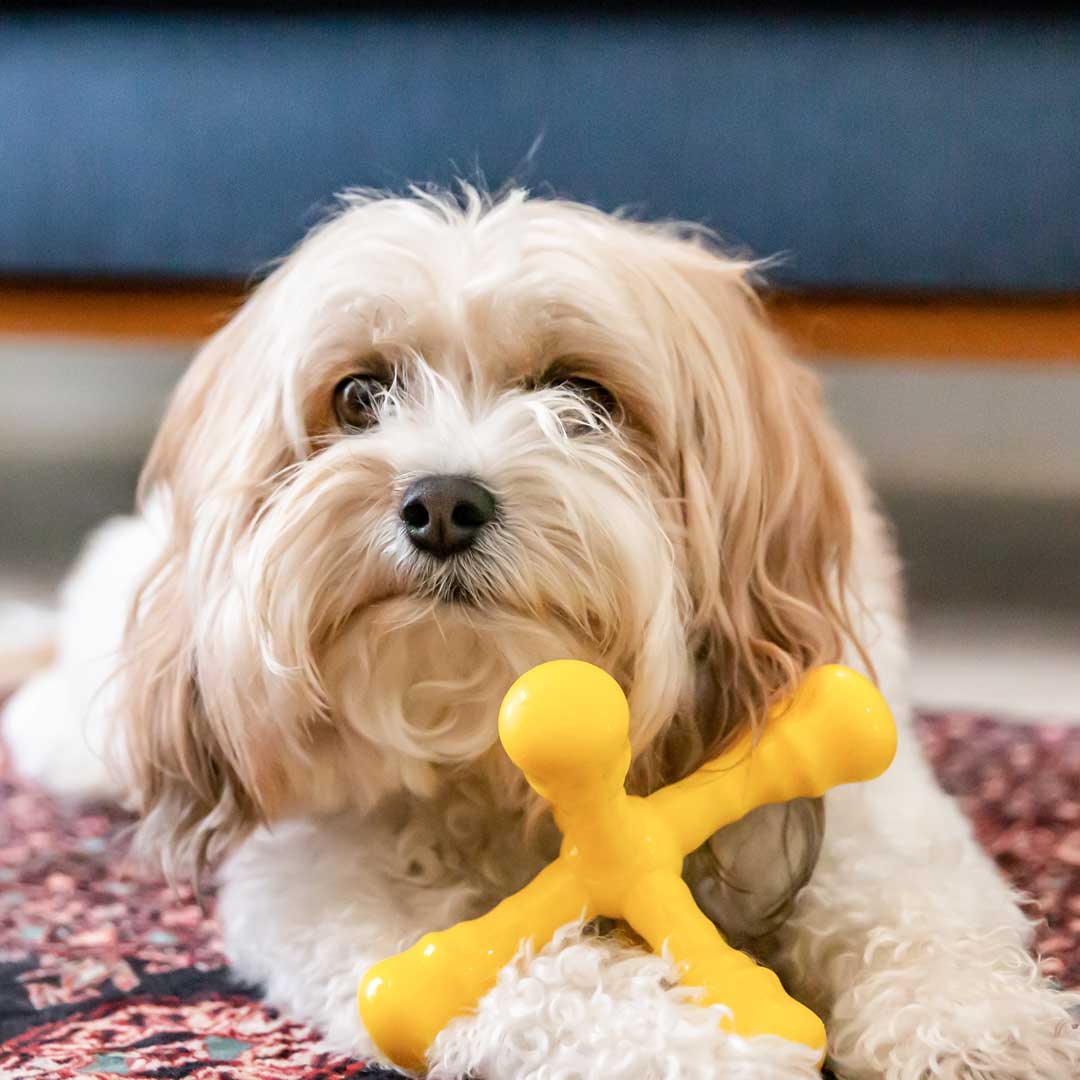
- Rotate chew options: soft rubber, textured chews, frozen wet washcloths (supervised).
- Teach: reinforce calm behaviors
- Reward four paws on the floor.
- Reinforce gentle play and breaks.
Thought-provoking insight
Your puppy doesn’t need you to “win” the biting battle. They need you to teach what works instead. If biting reliably ends fun, and calm reliably brings attention, the puppy becomes a strategist—on your side.
Practical advice
- When biting escalates: stop moving, go still, offer a toy, then end play if needed.
- Don’t create accidental rewards: squealing, wrestling, and frantic pushing can look like play.
- Track triggers: biting often spikes when the puppy is tired, overexcited, or needs the toilet.
Socialization in 2026: It’s Not “Meet Everyone”—It’s “Feel Safe Around Everything”
Socialization is the most misunderstood puppy topic on the internet. It’s not a checklist of interactions. It’s the process of building positive or neutral emotional responses to the world.
The new goal: confidence, not chaos
In 2026, the best approach is controlled exposure:
- See a bus from a distance, eat treats, leave.
- Watch dogs play from outside the fence, eat treats, leave.
- Hear city sounds softly, pair with something good, stop before stress spikes.
Practical advice: the “Look at That” habit
When your puppy notices something (bike, stroller, person, dog):
- Mark it (a cheerful “yes!” or click).
- Reward.
- Walk away before your puppy gets overwhelmed.
What to avoid
- Dog parks for young puppies can be too much, too fast, too unpredictable.
- Forced greetings: your puppy should learn that ignoring people and dogs is also a valid skill.
Socialization is less about proximity and more about predictability + choice. Give your puppy an exit strategy, and you’ll build bravery.
Training That Actually Sticks: Micro-Sessions, Real-Life Rewards, and Consistency
Forget hour-long sessions. Puppies learn best in fast, frequent bursts—like sparks, not bonfires.
Focus on “life skills” first
If you teach only tricks, you’ll still struggle. Start with behaviors that pay rent:
- Name response (“Puppy!” → eye contact)
- Recall foundations (come = party)
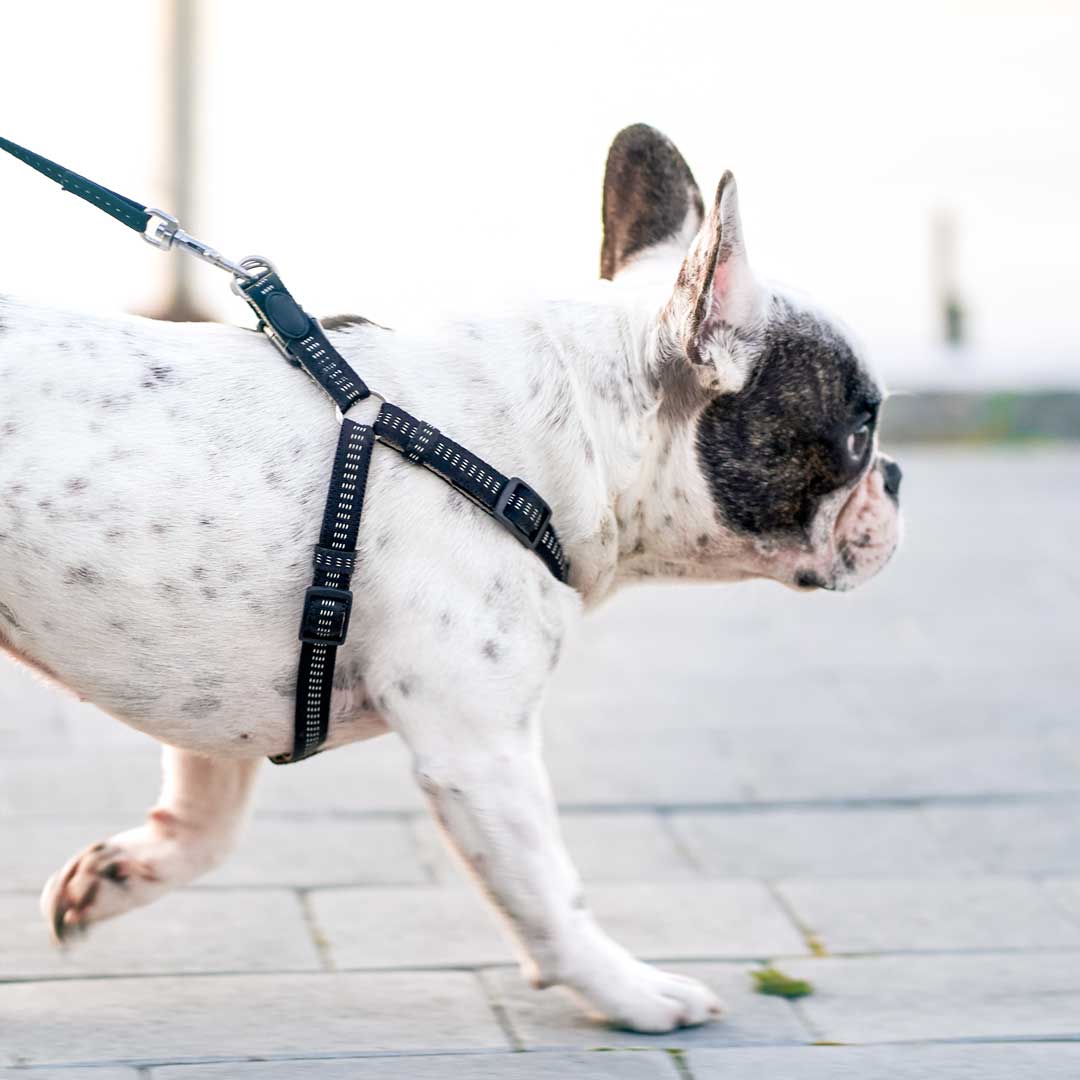
- Loose lead basics (check-in = reward)
- Settle on a mat (calm is trainable)
- Handling tolerance (ears, paws, brushing, vet prep)
Practical advice: train with real-life currency
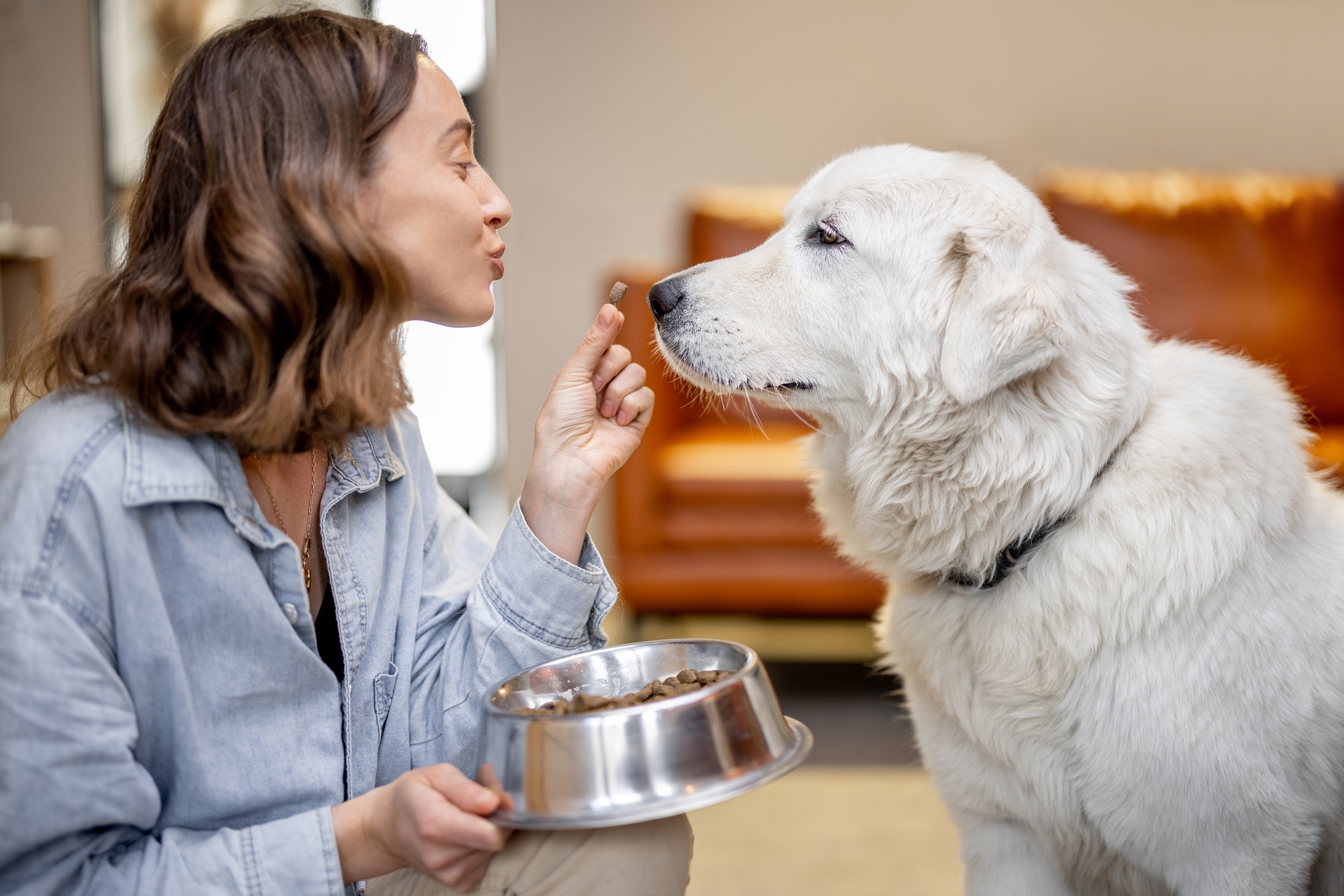
Your puppy wants access to the world. Use it.
- Sit → door opens
- Check-in → sniff time
- Calm → greeting happens
- Loose lead → forward motion continues
Thought-provoking insight
Training isn’t about controlling your puppy. It’s about making communication so clear that your puppy can succeed—again and again—until good behavior becomes their default, not their effort.
Conclusion: The Puppy Phase Is Loud—but It’s Also Where You Build the Dog You Dream Of
New puppy parenting is a weird mix of wonder and exhaustion. But if you zoom out, the pattern is simple: puppies thrive on structure, sleep, safe chewing outlets, thoughtful socialization, and tiny training reps that build huge habits.
Remember the big five:
- Design the environment so success is easy.
- Protect sleep like it’s medicine (because it basically is).
- Build a mouth plan: prevent, redirect, teach.
- Socialize for calm confidence, not maximum interaction.
- Train in micro-sessions and reward what you want to see again.
You don’t need to be perfect. You need to be consistent enough that your puppy can predict the world—and trust it. Do that, and one day sooner than you think, you’ll look down on a walk and realize the chaos has quietly transformed into companionship.